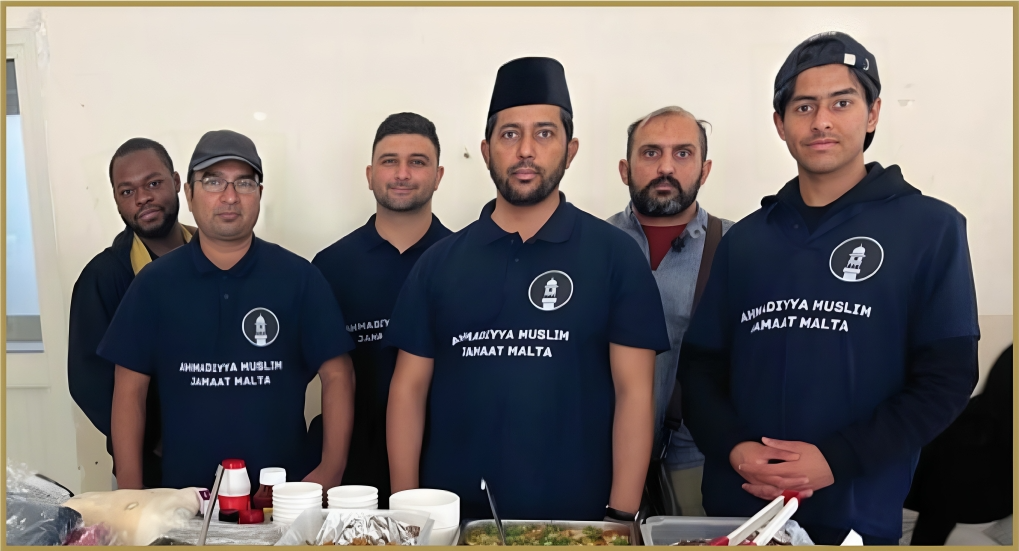
The Ahmadiyya Muslim Jamaat Malta actively contributed to the ‘Gaza Charity Event’ held on 25 and 26 November 2023, to raise funds for the Palestinian children who are suffering because of the war. This charity bazaar was organised by ACIS Malta, together with other NGOs and Local Councils.
Il-Komunità Ahmadiyya Musulmana Malta pparteċipat b’mod attiv ħafna fl-attività ta’ ġbir ta’ fondi għat-tfal ta’ Gaża, il-Palestina, organizzata mill-ACIS Malta fil-25 u s-26 ta’ Novembru 2023.
Laiq Ahmed Atif | it-Torċa 26.11.2023 |amjmalta@gmail.com
Meta naqraw dwar l-istorja umana nsibu li seħħew ħafna gwerer u kunflitti, li bla dubju ta’ xejn kienu ta’ ħsara kbira lis-soċjetà, f’kull manjiera u aspett. Il-gwerer dejjem irriżultaw fi ħsara kollaterali u infrastrutturali, inkluż bini pubbliku, u fuq kollox, ma kienu xejn ħlief mezz ta’ qerda u qtil ta’ għadd ta’ ħajjiet innoċenti, fosthom tfal, nisa u anzjani.
Imma sfortunatament ħafna, wara dawn il-ħsarat kollha, u wara gwerer bla għadd, il-bniedem ma jitgħallimx il-lezzjoni u jidher li l-umanità kollha tinsa l-imgħoddi kollu kemm hu.
Live and let live
Min-naħa l-oħra dan juri wkoll li l-bnedmin fallew fit-tfittxija tagħhom għall-paċi, jew ma kinux għaqlin biżżejjed biex jikkoreġu l-iżbalji tagħhom u jfasslu pjan strutturali għall-paċi u l-prosperità dejjiema. Jew, l-interessi personali, l-egoiżmu, l-arroganza u l-kburija nazzjonali xekkluhom milli jikkultivaw il-kultura tal-ħbiberija u “live and let live”.
Darbtejn fl-istess toqba
Għax huwa impossibbli li n-nies għaqlin u razzjonali jirrepetu l-iżbalji tagħhom, ma jistax ikun. Il-Qaddis Profeta Muħammad, is-sliem għalih, qal li, “Min jemmen qatt ma jingidem darbtejn fl-istess toqba.”
Dan id-diskors għandu tifsira vasta u profonda. It-tifsira sempliċi ta’ dan id-diskors huwa li l-fidili u n-nies għaqlin u razzjonali dejjem jibqgħu attenti u fuq ix-xwiek.
Permezz ta’ din l-osservazzjoni, il-Qaddis Profeta Muħammad, is-sliem għalih, jiggwidana biex dejjem nibqgħu attenti ħafna u ma niġux imqarrqa darbtejn mill-istess sitwazzjoni, persuna jew l-istess affari, u li nibbenefikaw minn kull esperjenza morra, biex b’hekk inkomplu nsaħħu lilna nfusna u niftħu għalina nfusna aktar toroq ta’ progress u suċċess, waħda wara l-oħra.
Dan id-diskors profond iservi bħala torċa ta’ gwida, u twissija kontra li wieħed jirrepeti l-iżball tiegħu. Fil-fatt, mhux se jkun konformi mal-għarfien ta’ fidil għaqli jekk jingidem darbtejn fl-istess toqba, jekk ifalli mill-istess esperjenza.
Għalhekk huwa importanti li wieħed jgħix b’għajnejh miftuħin f’din id-dinja u biex jagħmel kull waqgħa mezz ta’ tisħiħ ulterjuri ta’ saqajh u biex jaqbeż ’il quddiem wara kull żliq u jkompli jimxi ’l quddiem u ’l quddiem.
Il-bniedem ma jitgħallimx
L-esperjenza turi, u jien b’diqa u bil-qalb tqila rrid nammetti, li l-bniedem ma jitgħallimx. Jaħasra! Anke fid-dinja moderna, li nsejħulha dinja ċivilizzata, naraw gwerer u kunflitti kważi kullimkien.
Nafu u esperjenzajna mijiet ta’ darba, darba wara l-oħra, li gwerra mhi xejn ħlief ħsara u qerda, u nafu l-Konsegwenzi Qerrieda tagħha, imma nibqgħu nirrepetu l-istess żbalji. Assolutament mhuwiex approċ u ħsieb korrett, deċenti, san, razzjonali u għaqli. Bla dubju ta’ xejn. Ma jagħmilx sens, ikun xi jkun.
Fl-aħħar għoxrin sena saru ħafna gwerer u kunflitti, ma nafx minn fejn nibda u fejn nispiċċa din il-lista tant twila, imma għall-argument irrid insemmi ftit fosthom: il-gwerra fl-Afganistan, il-Libja, is-Sirja, is-Sudan, l-Ukrajna u żewġ gwerer li ma jispiċċaw qatt bejn l-Indja u l-Kashmir, u l-Iżrael u l-Palestina.
Dejjem “iż-żgħar” li jbatu
Nafu li l-gwerra fl-Ukrajna għamlet ħafna ħsara lid-dinja; l-inflazzjoni żdiedet ħafna, il-prezzijiet tal-fjuwil u tal-ikel żdiedu eċċezzjonalment. Dan ifisser li l-umanità u n-nies komuni li f’għajn id-dinja huma “żgħar” batew meta anke ma kienx tort tagħhom. Dawk biss, li nsejħulhom “kbar”, ibbenefikaw minn din il-gwerra billi biegħu l-armi u l-artillerija tagħhom, u b’hekk qalgħu biljuni u biljuni.
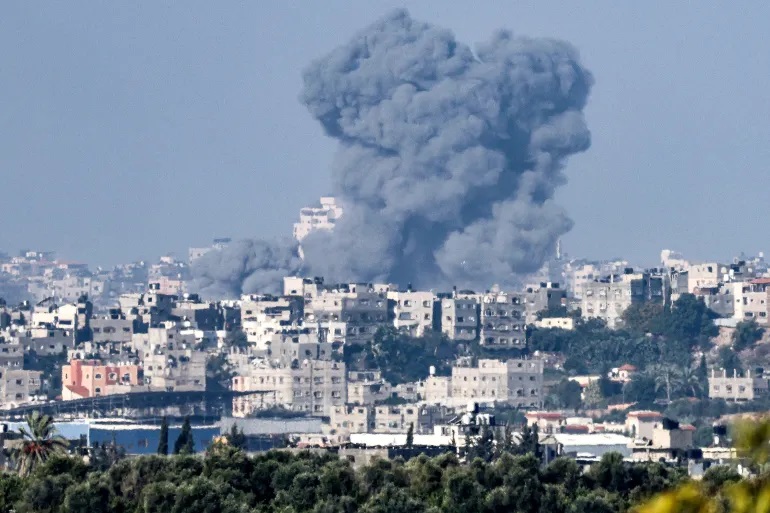
Issa, nirrepetu l-istess żball fil-kunflitt bejn il-Ħamas u l-Iżrael. Hemm għadd ta’ pajjiżi mill-Punent li qed jibagħtu t-tankijiet tal-gwerra tagħhom lill-Iżrael. L-aħjar mod huwa li l-mexxejja tal-pajjiżi kbar li għandhom poter u qawwa jgħinu liż-żewġ naħat biex jersqu għal ftehim, rikonċilazzjoni u paċi, imma sfortunatament, minflok id-djalogu u l-ftehim, huma qed jibagħtu t-tankijiet tal-gwerra. Qisna qed nibagħtu t-taqsima tat-tifi tan-nar iqabbdu n-nirien kullimkien. Minflok jitfgħu l-ilma fuq in-nar, qed jitfgħu l-fjuwil fuq in-nar. Minflok jitfu l-fjammi tan-nar bl-ilma, qed jippruvaw jikkonvertu dawn il-fjammi fi sħab skur u ħoxnin ta’ qerda.
Il-fjammi tan-nar
Il-pajjiżi sinjuri, żviluppati u b’saħħithom, li jaħsbu li għandhom kollox u kulħadd qed jibża’ minnhom, m’għandhomx jinsew li meta l-fjammi tan-nar jinfirxu ma jeħilsu lil ħadd; u ma jagħmlu ebda distinzjoni bejn kbar jew żgħar, u bejn sinjuri jew foqra.
Għalhekk, hija t-talba umli tiegħi li kull wieħed u waħda minna għandu jaqdi r-rwol tiegħu b’kull mod possibbli. Anke jekk xi ħadd ma jista’ jagħmel xejn, għall-inqas ejjew ningħaqdu fit-talb u ejjew nitbaxxew fuq l-għatba ta’ Alla Dejjem Ħanin u Ġentili għall-paċi u s-saħħa għall-umanità kollha.
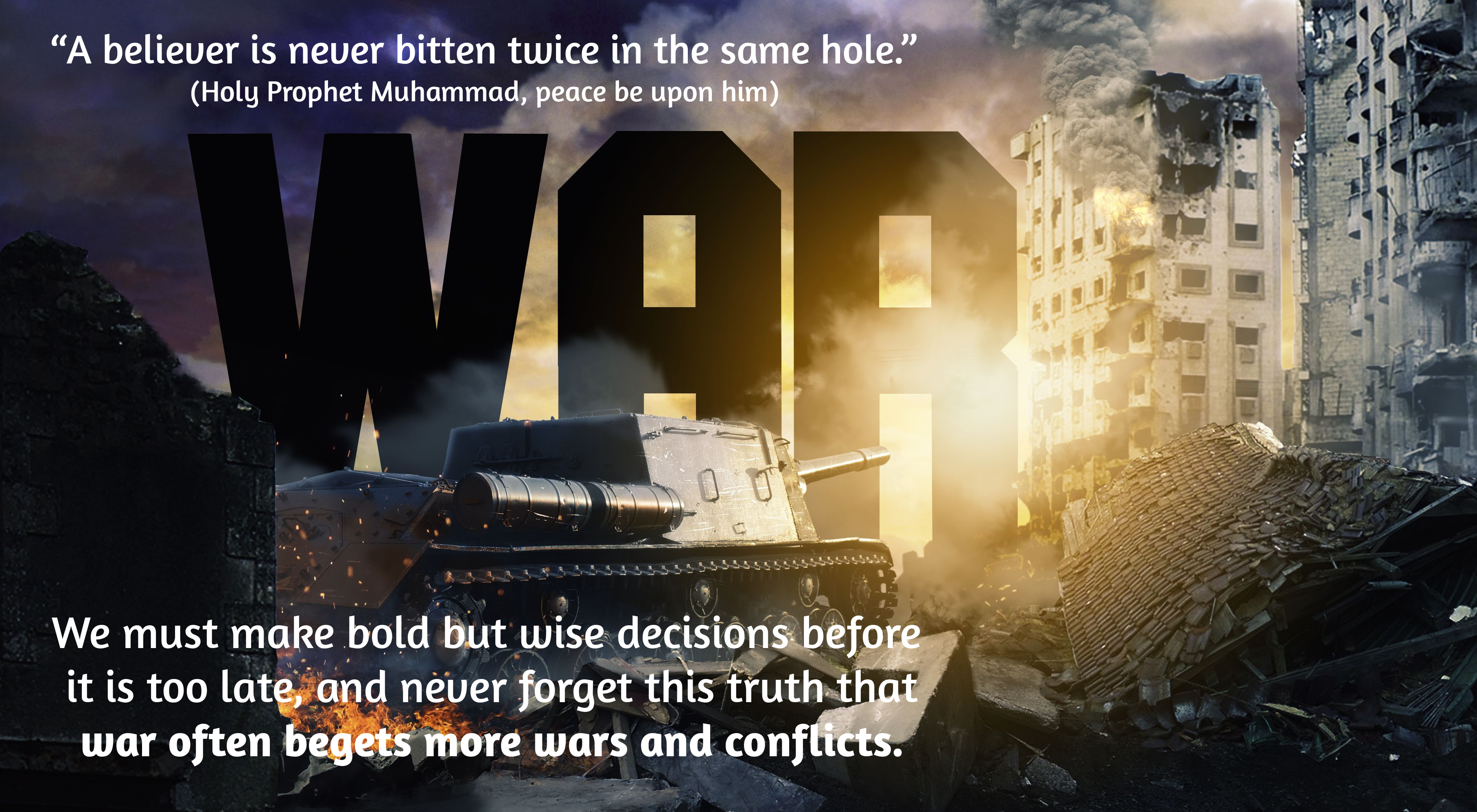
Nappella b’sinċerità kollha lill-mexxejja dinjin biex joqogħdu madwar il-mejda biex isibu soluzzjonijiet ta’ paċi fit-tul għal kull pajjiż u għal kull nazzjon biex kulħadd jista’ jgħix fil-paċi u l-prosperità. Irridu nieħdu deċiżjonijiet kuraġġużi imma għaqlin qabel ma jkun tard wisq, u ma ninsew qatt din il-verità li l-gwerra ħafna drabi toħloq aktar kunflitti u aktar gwerer.
By the grace and blessings of Almighty Allah the Ahmadiyya Muslim Jamaat Malta held their 5th Jalsa Salana (Annual Convention) on Sunday 19 November 2023. The theme of the Jalsa was “The Prophet of Allah – an excellent model”. The Jalsa Salana was started with the recitation of the Holy Quran followed by an Urdu poem. The President of Malta Jamaat read out the special message of His Holiness, Hazrat Mirza Masroor Ahmad, Khalifatul-Masih Vaba. In his message, Huzoor-e-Anwaraba, instructed Jamaat members to follow and promote every aspect of the life of the Holy Prophet Muhammadsa, and to strive to attain high spiritual and moral standards so that you can all become exemplary Ahmadi Muslims.
The Jalsa was held in two sessions. The speeches were delivered both in English and Urdu languages. The topics of the speeches were: ‘Quran and the principles of pious life’, ‘prayer an important pillar of Islam’, ‘determining the right direction in the age of social media and materialism’, ‘Khilafat-e-Ahmadiyya and our responsibilities’, ‘spending in the cause of Allah a means of nearness to God’ and ‘why is it important to believe in the promised Messiahas?’
In his concluding speech, the President Jamaat-e-Ahmadiyya Malta, drew the attention of Jamaat members towards their responsibilities as Ahmadi Muslims. He spoke about the beautiful character of the Holy Prophet Muhammad, peace be upon him, and said that to become true and exemplary Ahmadi Muslims and to attain nearness to Allah, it is incumbent upon us to love the Holy Prophet Muhammad, peace be upon him, and follow his noblest character in every step of our life, as the Promised Messiahas, says: “It is my personal experience that to obey the Holy Prophet [peace and blessings of Allah be on him] with a sincere heart and to love him, ultimately makes a person beloved of God.” (Ruhani Khaza’in, 22:67)
May Almighty Allah increase us all in goodness, piety and righteousness. Ameen
Oppression, revenge and the greatest weapon in the world
Read in Maltese: We often hear that religion causes harm and distress and is a means of hatred; and there are people who say that if there were no religions, the world would have been much better and peaceful.
However, in reality this is not true at all. In fact, religion is an instrumental force of goodness, love, compassion and sympathy. It is also true that sometimes people use the name of religion for causing violence, however, even in this they are at fault, and not the religion. Secondly, if people don’t pay attention to that which religion offers them, even then you can’t blame religion, but such people should be blamed who don’t pay attention to religious guidance.
God is Merciful
As a religious person, personally, I always learn lessons of religious teachings and outline a vision according to the word of God. My heart is filled to the brim with love and compassion for all humanity. This love in my heart is due to the fact that our Lord is ‘Merciful, Gracious and Compassionate’. In addition, the Prophets of God were also the means of love for mankind. The Holy Prophet Muhammad, peace be upon him, was sent “as a mercy for all peoples” (Quran, 21:108); and his every fiber was filled with love and compassion.
Therefore, the religion that I follow and believe in is neither cruel nor vindictive nor does it promote any form of violence, oppression or injustice. And not even the Holy Prophet Muhammad, peace be upon him, was sent to spread cruelty or hatred. On the contrary, he was sent only as a flowing fountain of mercy, with everlasting and universal compassion for all humanity.
Inspired and enlightened by this love for humanity, when I see the situation of peace in the world, it worries me, I feel anguish and pain in my heart for humanity, and when I try to imagine the horrifying consequences of wars, it becomes unthinkable and inconceivable.
Conflict in the Holy Land
The Supreme Head of the Ahmadiyya Muslim Community, His Holiness, Hazrat Mirza Masroor Ahmad, has always spoken loud and clear, and has worked tirelessly for peace since he became the Caliph. Recently yet again he has been significantly highlighting the perils of wars, almost every Friday, in view of the current situation in the Middle East; he encourages everyone to intensify prayers and raise awareness against oppression amid the growing escalation of the ongoing conflict in the Holy Land between Israel and Hamas.
In his message he underlines his desire for peace and the love he has for humanity, and this also means that religion and people who really believe in religion never use violence and never create disorder in the land, but their every word and action is a means of peace building. They don’t speak or write anything except ‘love, compassion, peace and human well-being’.
A World War looms before us
“The conflict between Hamas and Israel is intensifying, resulting in an increasing number of innocent Palestinian women and children being martyred. With the pace at which the situation of war is escalating and the policies being apparently adopted by the Israeli government and major global powers, it seems as if a World War now looms large before us. Now, even the leaders of certain Muslim countries are openly stating, as have Russia and China, and similarly, Western analysts have begun to write and proclaim that the scope of this war seems to be broadening. If immediate, wisdom-based policies are not adopted, the world will face devastation.
“No leader from the Western world, from any country, wants to deal with this matter justly, nor do they possess the courage to speak about it. Until someone bravely strives for a ceasefire, they are invariably responsible for pushing the world towards destruction.
Cruel and unjust revenge
“Representatives of the Israeli government claim that Hamas has killed our innocents; hence, we will take revenge. This revenge has now gone beyond all limits. The loss of Palestinian lives is four to five times greater than the loss of Israeli lives, which is reported. If their target, as they claim, is to eliminate Hamas, then why do they not directly combat them? Why are they targeting women, children, and the elderly? They have also deprived these people of water, food supplies, and medical care. All claims to human rights and the rules of warfare end when it comes to these governments.
“Indeed, some voices do draw attention to such matters, such as the former US President Obama, who recently stated that if one must wage war, one should adhere to the rules of warfare. There should be no atrocities committed against civilians. The UN Secretary-General had spoken in the same vein. The Israeli government raised an uproar over this. Yet the global ‘advocates of peace’, who consider themselves the ‘ultimate champions’ or even the ‘paragons of peace’, not only did not support the statement of the Secretary-General; rather, they expressed their dislike for it. In any case, the situation is perilous and becoming more dangerous.”
The strongest weapon
Our weapon is prayer. We believe that the greatest weapon we have in our hands is the weapon of prayer before our Lord; therefore, the leader of the Ahmadiyya Muslim Community constantly draws our attention to the importance of prayer, saying that:
“Hence, in your respective circles, and along with your prayers, strive to spread the message of stopping oppression. If any Ahmadi has connections, explain this to them. This is real courage, and it is the standard of acting upon God Almighty’s command… Nonetheless, we should intensify our prayers. Pray for the end of oppression, and make efforts within your means.”
The dawn of peace
May God give us the ability to pray fervently and do everything possible for the end of oppression, cruelty and injustices. May God give wisdom to the world to stop oppression and revenge, and instead of worldly destructive weapons, they use the greatest weapon in the world, prayer, so that together we can see the dawn of lasting peace. Laiq Ahmed Atif | amjmalta@gmail.com
L-oppressjoni, il-vendetta u l-ikbar arma fid-dinja
Imam Laiq Ahmed Atif | In-Nazzjon 11.11.2023 | amjmalta@gmail.com
Ħafna drabi nisimgħu d-diskors jew l-opinjonijiet li r-reliġjon tikkawża ħsara u hija mezz ta’ mibegħda, u hemm min jgħid li jekk ma jkunx hemm reliġjonijiet id-dinja tkun ħafna aħjar u paċifika.
Imma fir-realtà dan mhu veru xejn. Fil-fatt, ir-reliġjon hija forza strumentali ta’ ġid, imħabba, kompassjoni u simpatija. Il-verità hija wkoll li xi drabi n-nies jużaw isem ta’ reliġjon meta jikkawżaw il-vjolenza, imma dan huwa tort tagħhom u mhux tar-reliġjon. It-tieni nett, jekk in-nies ma jisimgħux minn dak kollu li r-reliġjon toffrilhom allura inti ma teħodhiex kontra r-reliġjon imma tmur kontra dawk li mhux jagħtu kas tar-reliġjon.
Alla huwa l-Ħanin
Jiena bħala persuna reliġjuża, personalment, dejjem nitgħallem mil-lezzjonijiet tat-tagħlim reliġjuż u nfassal viżjoni skont il-kelma ta’ Alla. Qalbi hija mimlija sat-truf bl-imħabba u l-kompassjoni għall-umanità kollha. Din l-imħabba ġo qalbi hija minħabba l-fatt li l-Mulej tagħna huwa ‘Ħanin, Ġentili u tal-Kompassjoni’. Barra minn hekk, il-Profeti ta’ Alla huma wkoll kienu l-mezzi tal-imħabba għall-bniedem. Il-Qaddis Profeta Muħammad, is-sliem għalih, intbagħat bħala “ħniena għall-umanità kollha” u kull fibra tiegħu kienet mimlija bl-imħabba u l-kompassjoni.
Għalhekk, ir-reliġjon li jien insegwi u nemmen fiha, la hija krudili u lanqas vendikattiva u lanqas ma tippromwovi xi forma ta’ vjolenza, oppressjoni jew inġustizzja. U lanqas il-Qaddis Profeta Muħammad, is-sliem għalih, ma ntbagħat biex ixerred il-moħqrija jew il-mibegħda. Anzi, hu ntbagħat biss bħala għajn taʼ ħniena, li tnixxi b’mogħdrija dejjiema u universali għall-umanità sħiħa.
Ispirat u mdawwal b’din l-imħabba għall-bnedmin, meta nara s-sitwazzjoni tal-paċi fid-dinja, tbeżżagħni, jiddispjaċini f’qalbi għall-umanità, u meta nipprova nimmaġina l-konsegwenzi orribbli tal-gwerer, dan isir impossibbli għalija biex naħseb iktar dwar dan.
Kunflitt fl-Art Imqaddsa
Min-naħa tiegħu, il-mexxej tal-Komunità Ahmadiyya Musulmana, il-Qdusija Tiegħu, Ħażrat Mirża Masroor Aħmad, dejjem tkellem u ħadem għall-paċi mindu sar il-Mexxej. Dan l-aħħar tkellem ukoll fid-dettall, kważi kull nhar ta’ Ġimgħa, dwar is-sitwazzjoni fil-Lvant Nofsani; huwa jħeġġeġ lil kulħadd biex jintensifika t-talb u jqajjem kuxjenza kontra l-oppressjoni fost l-eskalazzjoni dejjem tikber tal-kunflitt li għaddej fl-Art Imqaddsa bejn l-Iżrael u l-Ħamas.
Fil-messaġġ tiegħu huwa jispjega x-xewqa tiegħu għall-paċi u l-imħabba li għandu għall-umanità, u dan ifisser ukoll li r-reliġjon u n-nies li verament jemmnu fir-reliġjon qatt ma jużaw il-vjolenza u qatt ma jiksru l-paċi, imma huma dawk in-nies li kull kelma u kull azzjoni tagħhom huma mibnija fuq il-paċi. Ma jlissnu u ma jiktbu xejn ħlief ‘l-imħabba, il-kompassjoni, il-paċi u l-ġid tal-bniedem’. Hawnhekk, irrid nippreżenta kelmtejn tiegħu.
Gwerra Dinjija tidher quddiemna
Il-kunflitt bejn il-Ħamas u l-Iżrael qed jintensifika, u jirriżulta f’numru dejjem jikber ta’ nisa u tfal Palestinjani innoċenti li jiġu massakrati. Bir-ritmu li bih is-sitwazzjoni tal-gwerra qed teskala u l-politika li jidher li qed tiġi adottata mill-Gvern Iżraeljan u l-forzi maġġuri l-oħra fid-dinja, jidher bħallikieku Gwerra Dinjija issa qed tidher quddiemna. Issa, anke l-mexxejja ta’ ċerti pajjiżi Musulmani qed jgħidu bil-miftuħ, kif għamlu r-Russja u ċ-Ċina, u bl-istess mod, l-analisti tal-Punent bdew jiktbu u jgħidu pubblikament li l-ambitu ta’ din il-gwerra jidher li qed jitwessa’. Jekk ma jiġux adottati policies immedjati bbażati fuq l-għerf u l-għaqal, id-dinja se tiffaċċja devastazzjoni u qerda totali.
L-ebda mexxej mid-dinja tal-Punent, minn kwalunkwe pajjiż, ma jrid jittratta din il-kwistjoni b’mod ġust, u lanqas ma għandu l-kuraġġ li jitkellem dwarha. Sakemm xi ħadd bil-kuraġġ jistinka għall-waqfien mill-ġlied, kulħadd huwa responsabbli biex jimbotta d-dinja lejn din il-qerda.
Vendetta krudili u inġusta
Rappreżentanti tal-Gvern Iżraeljan isostnu li l-Ħamas qatlu lill-innoċenti tagħhom; għalhekk, se jieħdu vendetta. Din il-vendetta issa marret lil hinn minn kull limitu. It-telf ta’ ħajjiet Palestinjani huwa erba’ sa ħames darbiet akbar mit-telf ta’ ħajjiet Iżraeljani, li huwa rrappurtat. Jekk il-mira tagħhom, kif isostnu, hija li jeliminaw il-Ħamas, allura għaliex ma jiġġildux direttament magħhom? Għaliex qed jimmiraw lin-nisa, it-tfal, u l-anzjani? Huma ċaħħdu wkoll lil dawn in-nies mill-ilma, provisti tal-ikel, u kura medika. It-talbiet kollha għad-drittijiet tal-bniedem u r-regoli tal-gwerra jispiċċaw meta niġu għal dawn il-gvernijiet.
Tabilħaqq, xi vuċijiet jiġbdu l-attenzjoni għal kwistjonijiet bħal dawn, bħall-eks President Amerikan Barack Obama, li reċentement iddikjara li jekk wieħed irid jagħmel gwerra, wieħed għandu jaderixxi mar-regoli tal-gwerra. M’għandu jkun hemm l-ebda atroċitajiet imwettqa kontra ċ-ċivili. Is-Segretarju Ġenerali tal-Ġnus Magħquda kien tkellem bl-istess mod. Il-Gvern Iżraeljan qajjem taqlib dwar dan.
Madankollu l-‘avukati tal-paċi’ globali, li jqisu lilhom infushom bħala ‘l-akbar ċampjins’ jew saħansitra ‘il-markaturi tal-paċi’, mhux talli ma appoġġjawx id-dikjarazzjoni tas-Segretarju Ġenerali, anzi, esprimew id-dispjaċir tagħhom għaliha.
Fi kwalunkwe każ, is-sitwazzjoni hija perikoluża u qed issir aktar perikoluża.
L-aktar arma b’saħħitha
L-arma tagħna hija t-talb.Aħna nemmnu li l-ikbar għodda li għandna f’idejna hija l-għodda tat-talb quddiem il-Mulej tagħna; għalhekk, il-mexxej tal-Komunità Ahmadiyya Musulmana kontinwament jiġbed l-attenzjoni tagħna għall-importanza tat-talb, u jgħid li:
“Għalhekk, fiċ-ċrieki rispettivi tagħkom, u flimkien mat-talb, istinkaw biex ixxerrdu l-messaġġ li titwaqqaf l-oppressjoni, malajr kemm jista’ jkun. Jekk xi Aħmadi għandu konnessjonijiet, spjegalhom dan. Dan huwa kuraġġ reali, u huwa l-istandard ta’ kif wieħed jaġixxi fuq il-kmand ta’ Alla li Jistaʼ Kollox. Madankollu, għandna nintensifikaw it-talb tagħna. Itolbu għat-tmiem tal-oppressjoni, agħmlu sforzi fi ħdan il-mezzi tagħkom. Għalhekk, għandkom tagħtu attenzjoni speċjali lit-talb.”
Is-sebħ tal-paċi
Jalla Alla jagħtina l-ħila biex nitolbu b’ħerqa u nagħmlu dak kollu li hu possibbli għat-tmiem tal-oppressjoni u l-vendetta krudili u inġusta. Jalla Allajagħti l-għerf lid-dinja biex tintemm kull oppressjoni u vendetta, u minflok armi distruttivi tad-dinja, huma jużaw l-ikbar arma fid-dinja, it-talb, sabiex flimkien nistgħu naraw is-sebħ tal-paċi dejjiema.
Laiq Ahmed Atif | it-Torċa 05.11.2023 | amjmalta@gmail.com
Fid-dinja tal-lum sar ħafna progress ekonomiku u teknoloġiku. Fid-djar tagħna għandna l-kumditajiet kollha u anke l-kċejjen tagħna huma mgħammra bis-sħiħ. Fit-toroq tagħna nsibu karozzi ibridi u elettriċi, u kważi ta’ kull ditta, disinn u mudell. Il-bini ta’ madwarna qed isir ikbar u itwal minn qatt qabel. Fil-qosor, ingawdu l-lussu tal-ħajja.
Il-kortesija, ir-rispett u l-imħabba
Iżda sfortunatament il-ħin kollu qed ninjoraw l-aktar assi prezzjużi u l-ġojjelli tal-umanità, li huma l-imħabba, l-armonija, ir-rispett, il-paċi, l-etikett, il-kortesija, il-morali u l-valuri umani.
Insibu wkoll li l-mibegħda, il-ħdura u l-insensittività huma mifruxa ma’ kullimkien; il-midja soċjali hija evidenza ċara ta’ dan.
Minkejja dan kollu, fl-istess ħin, hija wkoll realtà, anzi xewqa taħraq ta’ kull wieħed u waħda minna, li ngħixu fil-paċi. Naħseb li dawn huma żewġ direzzjonijiet opposti, għalhekk, kif tista’ xewqa bħal din li tgħix fil-paċi tkun produttiva? U kif tista’ din il-ħolma ssir realtà?
Ħolma jew realtà?
Jekk nibqgħu hekk u ma nirranġawx il-modi tagħna, u ma nagħmlux ix-xewqat u l-azzjonijiet tagħna biex isegwu l-istess direzzjoni, din il-ħolma ma tistax issir realtà. Għalhekk, huwa minnu li x-xewqat tagħna għandhom ikunu segwiti mill-isforzi sinċieri kollettivi tagħna.
Huwa importanti ħafna li rridu ngħammru bis-sbuħija tal-umanità, bil-ġojjellerija tal-valuri morali. Il-kuxjenza u l-morali jiddistingwuna minn ħlejjaq oħra, għax huma jieklu, jixorbu u jorqdu bħalna.
’Il bogħod mill-kortesija
Meta nagħtu ħarsa serja, sfortunatament insibu li l-bniedem tal-lum jidher ’il bogħod mill-kortesija soċjali u r-rispett reċiproku, kull fejn tħares! Kullimkien insibu l-kampijiet ta’ egoiżmu, irrekwitezza, traskuraġni u immoralità.
Ilħna ħorox, għajjat u attitudnijiet riġidi qed ikissru l-valuri soċjali u egoiżmu bħal dan u interessi personali jxerrdu d-dwiefer tagħhom u l-bniedem ikompli jiekol lil bnedmin oħra.
Ilsien twil
Il-Qaddis Profeta Muħammad, is-sliem għalih, qal li, “M’hemm ebda karatteristika oħra agħar għall-bniedem minn persuna bi lsien twil.” F’post ieħor, huwa qal, “Il-fidil veru huwa wieħed li minn ilsienu u minn idejh fidili oħra huma siguri u jinsabu fil-paċi u s-sliem.”
Bla dubju, is-sbuħija tas-soċjetà tinsab fil-moderazzjoni, it-temperanza, il-paċenzja, il-kortesija, it-tolleranza, u l-ġustizzja. Jekk inkunu neqsin minn dawn, jinqalgħu mġibiet bħall-aggressjoni, estremiżmu, traskuraġni, ansjetà, ingratitudni, intolleranza u illegalità u dan hu dak li ġara.
Issa nqisu li l-kburija tagħna trid li nwieġbu bl-ikbar ħruxija possibbli għal kull ħruxija li naffaċċjaw; inrażżnu d-dgħufija u nitbaxxew quddiem is-setgħa. Imma ninsew li żbalji minn żewġ naħat ma jagħmlux tajjeb.
Il-ġenna tal-art
Il-messaġġ tiegħi huwa dak li, jekk verament irridu ngħixu f’soċjetà tajba u nobbli, allura għandna nwieġbu għal kull ħażen bit-tajjeb, inwieġbu kull ħruxija b’mod pożittiv u bi kliem ħelu, nuru umiltà u riluttanza bħala tweġiba għall-arroganza. Nirbħu l-mibegħda bl-imħabba u l-kompassjoni. Nimlew il-qalb mimlija mibegħda u preġudizzju bl-imħabba u l-affezzjoni. Nagħtu l-prijorità lill-valuri fuq il-poter. Minflok egoiżmu, nadottaw attitudni altruwista.
Fil-qosor, huwa importantissimu li nsiru ġentili u ta’ manjieri ħelwin, attenti fil-kliem, onesti fil-kitba u t-taħdit, ħelwin mill-qalb, benefatturi tal-umanità u qaddejja leali ta’ Alla Jista’ Kollox, sabiex ħajjitna u djarna jsiru l-ġenna tal-art.
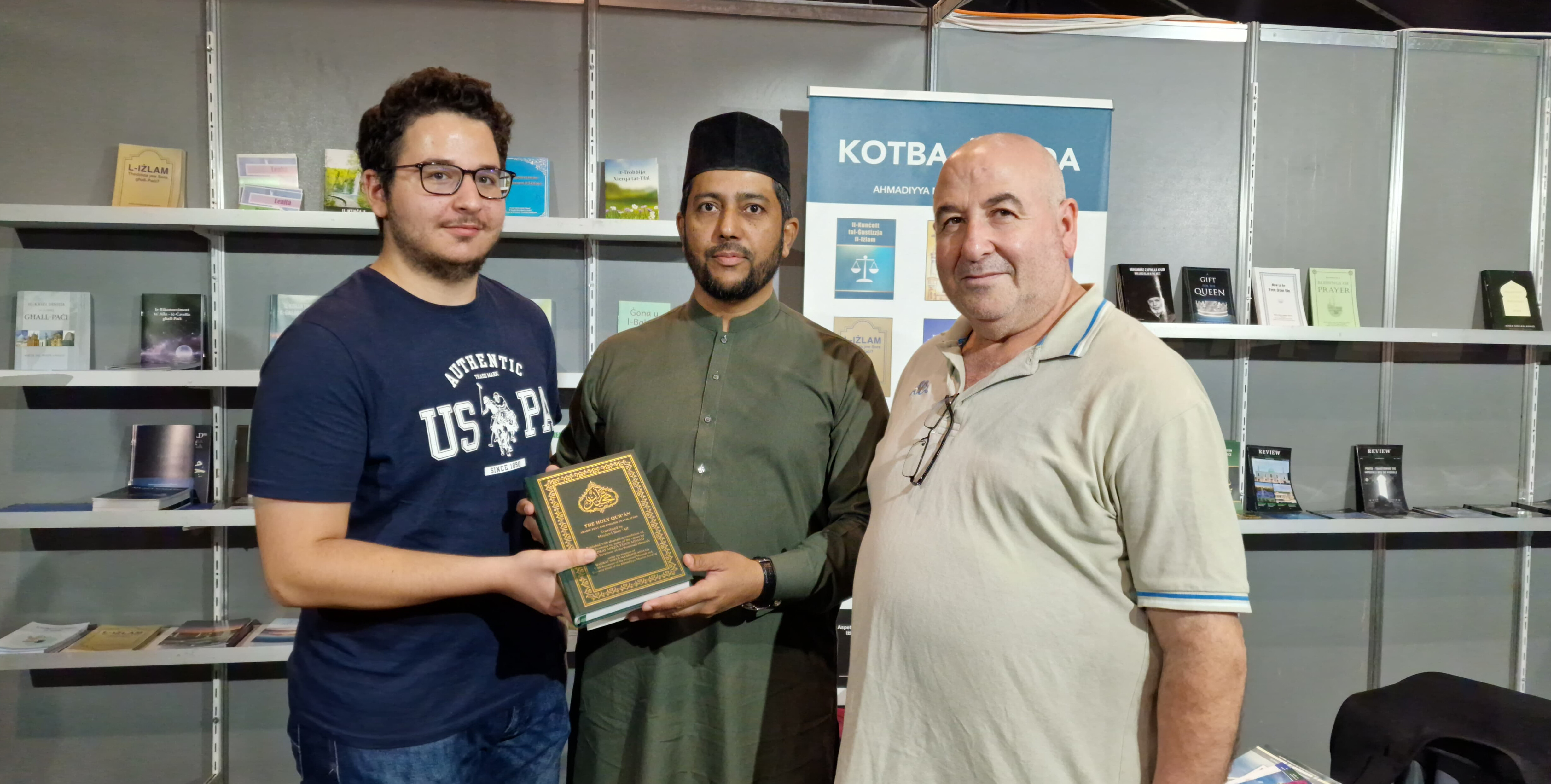
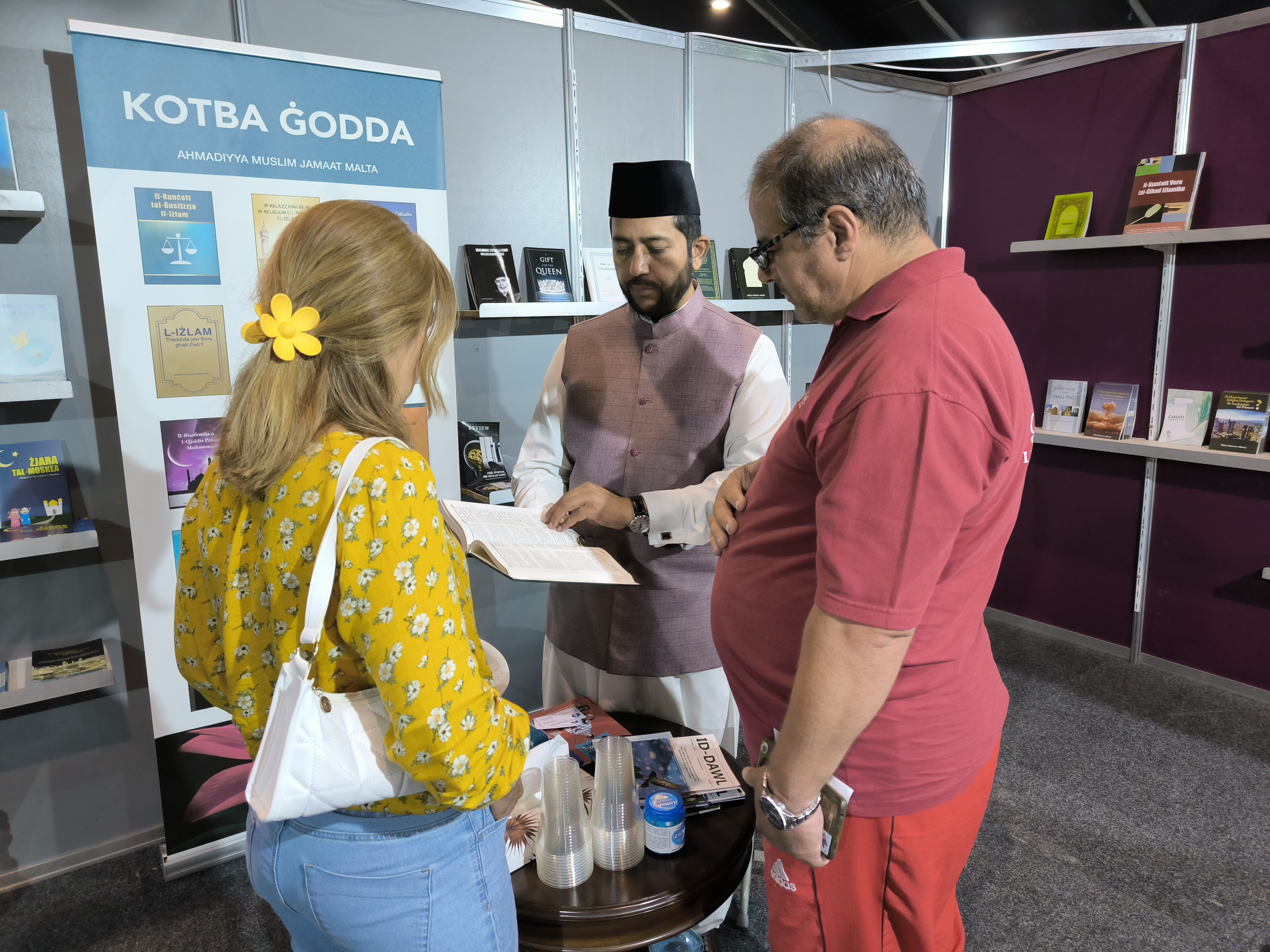
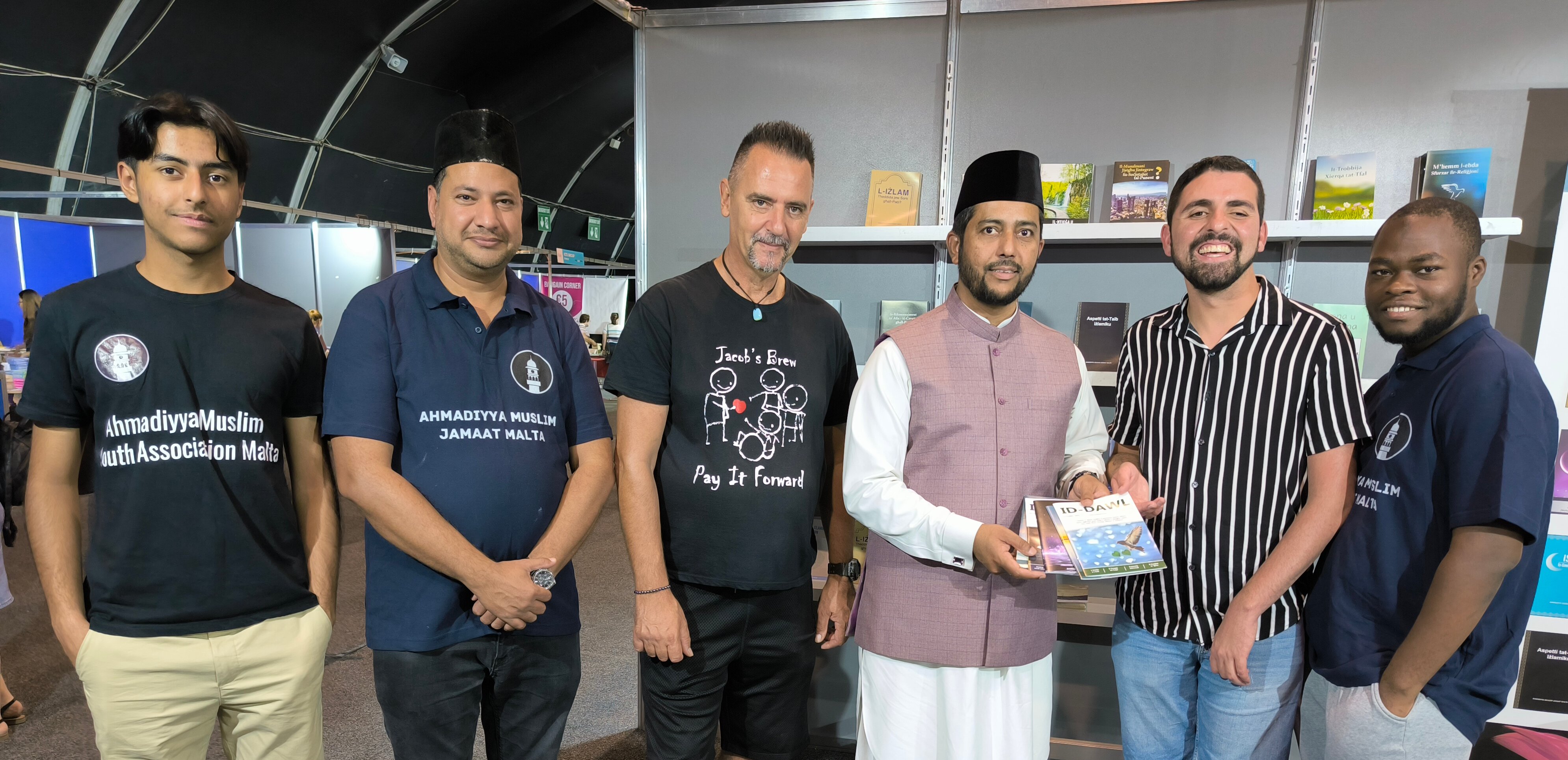
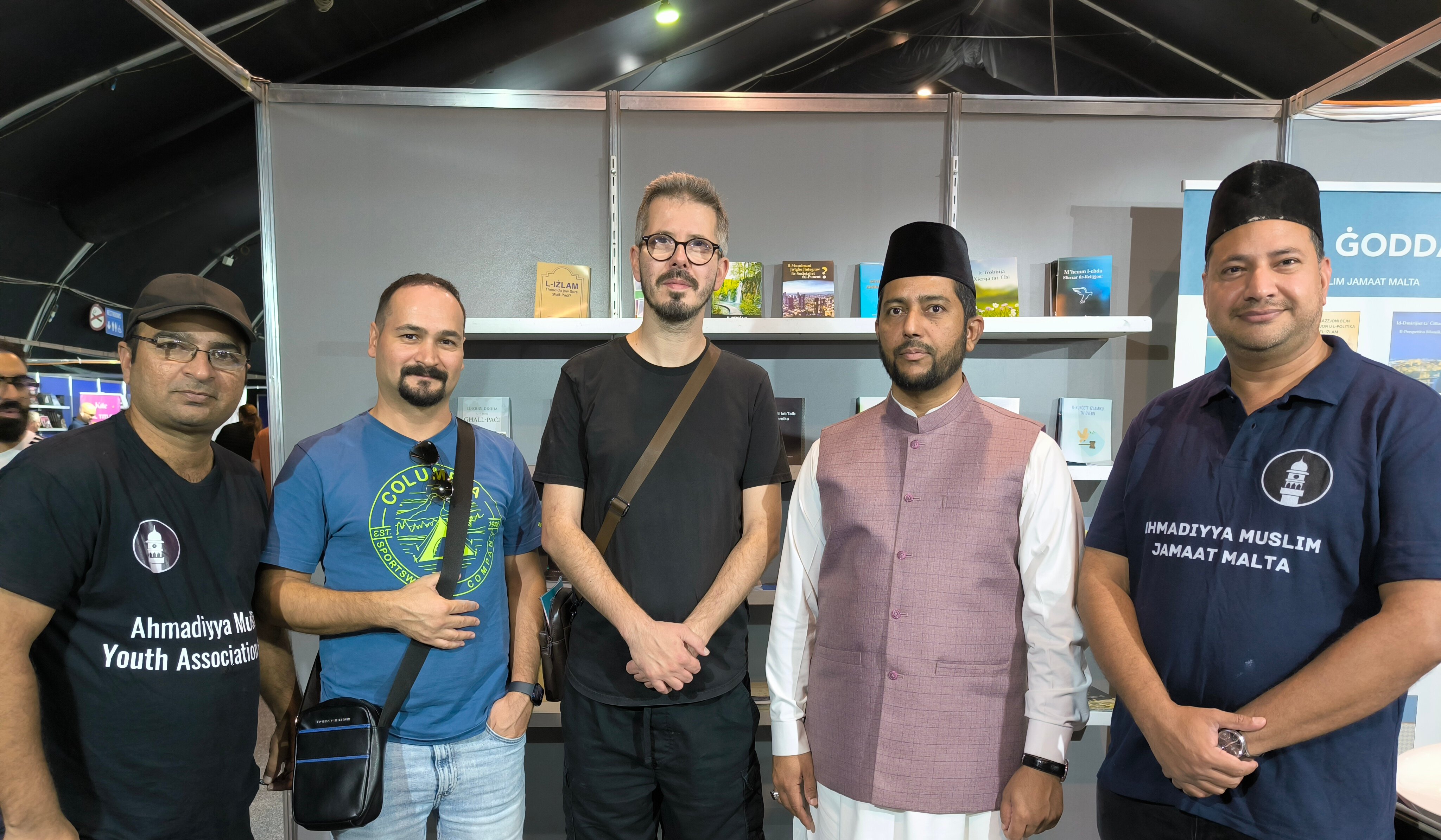
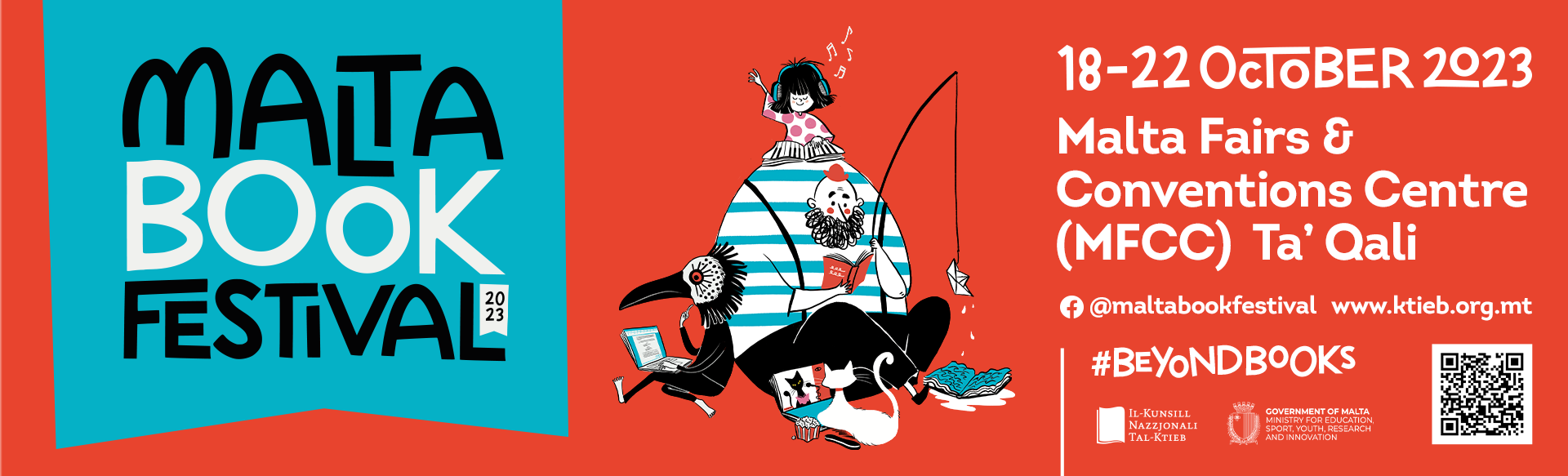
Book is said to be man’s best friend. Keeping this in view, the National Book Festival is held every year in Malta. This year the book festival was held between 18 and 22 October 2023 at MFCC, Malta’s largest international conference and exhibition venue. A large number of exhibitors participated in the book festival which was visited by thousands of visitors.
With the grace and blessings of Almighty Allah the Ahmadiyya Muslim Jamaat Malta once again was able to participate in this annual national event. Many visitors visited our Book Stand and took different books and particularly the Holy Quran with English translation. Many copies of the book ‘World Crisis and the Pathway to Peace’ and the monthly Maltese magazine‘ID-DAWL’ were also given out.
Imam Laiq Ahmed Atif | In-Nazzjon 24 ta’ Ottubru 2023 |amjmalta@gmail.com
Meta naħsbu dwar il-ħolqien ta’ Alla, insibu li l-bniedem inħoloq bl-aħjar mod, jew nista’ ngħid li l-bnedmin huma l-aqwa ħolqien ta’ Alla – il-Kreatur.
Il-bniedem ingħata l-aqwa fakultajiet, kapaċitajiet u abbiltajiet. Iżda qatt ħsibna, għaliex? X’inhi r-raġuni għall-ħolqien tal-umanità fl-aqwa forma ta’ ħolqien? X’inhu l-iskop jew l-għan ta’ ħajti? Jew, kif nista’ nkun bniedem aħjar?
Dawn huma xi mistoqsijiet li jiġu jew għandhom jiġu f’moħħna meta naħsbu dwar l-għan ta’ ħajjitna. Għax huwa minnu li xejn mhuwa għal xejn, hemm żgur xi għan partikolari li għandna nsibu.
Skont it-tagħlim Iżlamiku hemm żewġ għanijiet importanti għall-ħolqien tagħna: li nħobbu lil Alla u nwettqu d-drittijiet Tiegħu, jiġifieri nqimu quddiemu u dejjem nagħmluh iċ-ċentru ta’ ħajjitna, u t-tieni huwa li nħobbu u nservu lil ħutna l-bnedmin.
Il-qalb li tħabbat mal-umanità
Il-ħidma u s-servizz għall-umanità huma valuri mill-isbaħ, u nemmen li huwa valur li jiddistingwi bejn it-tajjeb u l-ħażin, bejn min iħobb u jkollu l-isbaħ xewqat għall-umanità u dawk egoisti u ċċentrati fuqhom infushom biss.
Alla l-Ħanin jiggwidana fil-Koran Imqaddes biex naqdu lill-umanità u wiegħed lil dawk li jagħmlu ġid lill-oħrajn u juru li huma bnedmin ta’ benefiċċju għal ħuthom, ħajjithom tittawwal. Alla l-Ħanin jgħid: “Dak li jibbenefika lill-umanità, jibqa’ fuq l-art” (Il-Koran, 13:18).
Jiġifieri, li dawk in-nies li huma dejjem ħerqana li jgħinu lill-proxxmu, dawk li huma dejjem lesti li jagħmlu l-ħajja ta’ ħaddieħor faċli u komda, dawk li jkollhom mogħdrija u mħabba għall-oħrajn, dawk li qalbhom tħabbat bil-qalb tal-umanità, u dawk li għandhom qalb tad-deheb f’termini ta’ karità u solidarjetà, ħajjithom tkun itwal u huma se jibqgħu fid-dinja għat-tul.
Kull qatra tgħodd
Huwa wkoll fatt li l-bniedem ma jistax jgħin lill-oħrajn bis-sħiħ, għalhekk huwa importanti li nifhmu li jekk kulħadd jagħti sehmu, u kulħadd jixtieq li jkun hu li jkun l-ewwel biex jgħin, dan jagħmel ħafna differenza, għax ‘kull qatra tgħodd’.
It-tieni punt huwa li nżommu lilna nfusna okkupati fit-talb u nitolbu għan-nies kollha, għax dan huwa l-isbaħ mod ta’ benefiċċju lill-umanità kollha.
Ngħinu bit-talb
Il-Fundatur tal-Komunità Ahmadiyya Musulmana, il-Messija Mwiegħed, jispjega dan u jgħid li, peress li l-forom l-oħra ta’ simpatija huma suġġetti għal limitazzjonijiet, għalhekk, l-għajnuna bla tmiem li tista’ tingħata b’mod speċjali, hija l-għajnuna kontinwa tat-talb. Meta l-għajnuna tkun ta’ benefiċċju għan-nies inġenerali, nistgħu nieħdu l-akbar benefiċċju minn dan il-vers (ta’ fuq) permezz tat-talb.
Huwa assolutament veru li l-ħajja ta’ persuna li hija sors ta’ benefiċċju għad-dinja hija mtawla, u min jikkawża l-ħażen jittieħed minn din id-dinja aktar malajr. Jingħad li Sher Singh kien jaqbad l-għasafar u jixwihom ħajjin fuq in-nar, u kien inqatel fi żmien sentejn minn meta ħa l-poter.
Għalhekk, hija r-responsabbiltà tal-bniedem li jirrifletti u jikkontempla dwar kif nistgħu nżommu leali li: “L-aqwa mill-umanità huwa dak li jibbenefika lill-umanità.”
Conflict in the Holy Land: A Call for Justice and Peace for Palestine by the Khalifa – The Head of the AhmadiyyaMuslim Jamaat
During his Friday Sermons on 13th & 20th October 2023, His Holiness, Hazrat Mirza Masroor Ahmad, Khalifatul-Masih Vaba and Worldwide Head of the Ahmadiyya Muslim Community said:
“At this time, I would like to make an appeal for prayers, relating to the conditions of the world today. Over the past few days, the war between Hamas and Israel has been ongoing, due to which civilians on both sides, including women, children and the elderly, are being killed or have already been killed without distinction. Even in times of war, Islam does not permit the killing of women, children, or anyone that is not engaged in the fighting. This is something which the Holy Prophet Muhammad (ﷺ) has given very strict guidance on.
The world is saying, and certain evidence also shows, that Hamas initiated this war and is guilty of killing Israeli civilians indiscriminately. Despite the fact that the Israeli army has previously killed many innocent Palestinians in this manner, Muslims however must still act according to the teachings of Islam. The Israeli army is responsible for their own actions; and other methods could have been adopted to resolve the issue. If a war is warranted, then it can be fought between armies, not with women, children and the innocent. Thus, the actions of Hamas were wrong; it has caused far greater harm than any benefit. Nonetheless, the response to all that has happened and the war should have remained limited to Hamas and that, in reality, is what would constitute true bravery and courage. However, now the actions being taken by the Israeli government are also very dangerous. It seems as if there is no end to this situation. The innumerable amount of innocent lives of women and children that will be lost is unfathomable. The Israeli government claimed that they would completely raze Gaza to the ground, and for this they have dropped many bombs. They have reduced the city to rubble.
The latest circumstances are that they have said more than a million people should leave Gaza, and some have indeed started leaving. Thankfully, as feeble as it may be, the UN [United Nations] has raised its voice to some degree, saying that this would be a violation of human rights and it would be wrong, leading to many difficulties. As such, Israel should reconsider this order. Rather than firmly saying that this is wrong, [the UN] is merely making a request.
In any case, the innocent who are not engaged in the war are not at fault at all. If the world considers Israeli women, children and ordinary citizens to be innocent, then the Palestinians are also just as innocent. The teachings of the People of the Book also state that such killings are impermissible. If the actions of the Muslims were deemed wrong, then these people should reflect on their own conduct as well.
In any case, we must pray fervently.
The Palestinian Ambassador [Head of the Palestinian Mission to the UK] gave a television interview here [in the UK], perhaps to the BBC, and in response to a question, said that Hamas is a militant group, not a government, and it has no connection to the Palestinian government. At the same time, he raised the question, and rightfully so, that if true justice were to be established, then such things would not transpire. If major powers did not have double standards, then such restlessness and warfare in the world could never happen. Hence, if these double standards were eliminated, then it would bring an end to such wars.
These are the very things which I have been stating in light of Islam’s teachings for quite some time. In the moment people agree, however, they are not prepared to act accordingly.
Now, all the major powers, or Western powers, have put justice aside and are uniting in taking harsh measures against Palestinians and there is talk of armies being sent from all directions. Images of the victims are shown to depict the atrocities being perpetrated and false reports are shown in the media. At times, there will be news about the condition of Israeli women and children and their dire circumstances they are facing, yet, later, it turns out that they were not Israelis but, in fact, Palestinians. However, the media does not take any accountability for this, and there is no sympathy expressed for them. These people simply follow the rule of “might is right”. They will bend before anyone who has worldly wealth.
Upon analysis, it would seem that the major powers are bent on fanning the flames of war, rather than putting them out; they do not wish to end warfare. After the First World War, the major powers created the League of Nations in order to bring an end to wars. However, due to not fulfilling the demands of justice, and failing to establish its own authority, it proved unsuccessful. Consequently, the Second World War broke out, and it is said that more than 70 million lives were lost. The same is happening now with the UN. It was created to establish justice in the world, support the oppressed and to try and bring an end to wars. However, these are all far from being reality. Everyone is simply concerned with their own interests.
The average person cannot even fathom the harmful consequences of the war that will result from these injustices; however, all the major powers are well aware of the grave consequences. Yet, despite this, there is no attention given towards establishing justice. No one is even prepared to pay attention to this. In such circumstances, Muslim nations, at the very least, should come to their senses. They should set aside their differences and establish unity. In order to better their relationships with the People of the Book, if Allah has given the commandment to the Muslims:
“Come to a word equal between us and you.” (The Holy Qur’an, 3:65)
i.e. by uniting over the Unity of God, then Muslims who have the exact same creed should unite between themselves even more so by setting aside their differences.
The Muslims must ponder over this, and establish their unity. This is the only way to eradicating disorder from the world. They should unite and raise a resounding voice for the fulfilment of the requirements of justice and fulfilling the rights of the oppressed, wherever they may be. If they unite as one, then there will also be strength in their voice. Otherwise, these Muslim governments will be responsible for the loss of innocent Muslim lives. These powers should always remember the guidance of the Holy Prophet Muhammad (ﷺ), that both the oppressors and the oppressed must be helped. This important point must be understood.
May Allah the Almighty grant Muslim governments reason and understanding and enable them to unite and establish justice. May He grant reason and understanding to the world’s powers so that rather than leading the world to destruction, they try to save the world from destruction. May their purpose not be to satisfy their egos. They should always remember that when destruction comes, even they will not be safe from it.
In any case, all we have is the weapon of prayer, which every Ahmadi Muslim should use now, more than ever before.
Some Ahmadi households in Gaza were destroyed, may Allah the Almighty keep them safe. May He keep all the innocent and oppressed safe, wherever they may be. May Allah the Almighty grant understanding to Hamas, so they do not become responsible for the cruelties inflicted on their own people, nor should they commit injustices against anyone. If they are compelled to fight, then they must do so according to the commandments of Islam. Enmity for another nation should not lead us away from acting justly; this is the command of Allah the Almighty.
May Allah the Almighty enable the major powers to establish justice on both sides and thereby establish peace. It should not be that they lean towards one side and thus usurp the rights of the other side. May they not commit injustices and cruelties.May Allah the Almighty grant us the opportunity to witness peace and security in the world.”
Calls to world powers for restraint
“At this juncture, I wish to speak again about the current global situation and reiterate the importance of prayer. Nowadays, writers from the West, even some from the United States, have written in their newspapers that there should be a limit to retaliation. They opine that America and other Western countries should play their part in the conflict between Hamas and Israel, making efforts for peace and ceasefires. However, the same writers also lament that it seems these nations, instead of working to stop the conflict, appear to be fanning its flames. Similarly, there was a report from the United States where a senior official of the US Department of State resigned, stating that the oppression of innocent Palestinians has reached its limits and that the world powers should be mindful of this. Still, there are decent and noble individuals among them. Occasionally, it is reported in the media that some Jewish rabbis have also spoken out in favour of justice and against oppression. Russia’s Foreign Minister has warned that if these countries continue their current stance, this war could spread throughout the region.
However, I believe it may spread globally, so these nations should exercise utmost prudence. Similarly, as I’ve previously mentioned, Muslim countries should speak in unity and with one voice. If the world’s Muslim-majority nations, often cited as 53 or 54 in number, were to speak as one, it would indeed be a powerful force and would make a significant impact. Isolated voices, however, lack influence. This is the only way to establish peace in the world and end this war. Muslim nations must make earnest efforts to prevent global destruction. May Allah grant them the ability to do so. Nonetheless, we must persistently pray. May Allah bring an end to this war and protect the innocent, oppressed Palestinians. Further, may no more atrocities befall them, and may Allah eradicate oppression from the world, wherever it exists. May Allah grant us the ability to pray earnestly.” [Amin.]
Source/Credit: The Times of Malta| Friday, October 20, 2023 | Laiq Ahmed Atif, president Ahmadiyya Muslim Jamaat Malta | amjmalta@gmail.com
The Israel-Palestine conflict, which spans decades, has once again made headlines, unfortunately, once again, not for good reasons but for the loss of so many innocent lives on both sides including children, women and the elderly people.
There was widespread condemnation across the globe for the attack by Hamas on Israel, however, the world has failed to understand what led to such boiling point. The answer is continuous injustices. The world collectively has failed to provide a feasible and permanent solution to this decades-long conflict.
If the principle of true justice would have been upheld by all the stakeholders and world powers, this human tragedy would have been avoided and a road to peace and reconciliation paved.
If we ponder over the current state of world affairs, unquestionably today, the world teeters on the brink of disaster as nations around the globe are engulfed by a ferocious storm of political, economic and social unrest. The war in Ukraine has been raging for months and dark clouds indicating even greater turmoil and warfare are hovering ominously above us.
And, now, the war in the Middle East has made every sane person seriously worried and concerned about where the world is heading.
Speaking about the current war between Hamas and Israel on the BBC, the Palestinian ambassador to the UK said that “Hamas is a militant group. Hamas is not the Palestine government. The Israeli government is giving orders to its organised army. Don’t throw any symmetry here. Don’t equate the occupied and occupier. This doesn’t serve justice to understand the real situation.”
At the same time, he raised the question, and rightfully so, that if true justice were to be established, then such things would not transpire; if major powers did not have double standards, then such restlessness and warfare in the world could never happen. Hence, if these double standards were eliminated, then such warfare would be eliminated.
What is justice? Justice means to render to everyone his due; and to maintain justice it is necessary that reward of good should in no case be less than what a person has earned and that, on the other hand, the penalty for a wrong should not exceed the wrong or transgression committed. To outline the standards of justice, the Holy Quran states:
“O ye who believe! Be steadfast in the cause of God, bearing witness in equity; and let not a people’s enmity incite you to act otherwise than with justice. Be always just, that is nearer to righteousness” (5:9).
The standards of true justice have further been elaborated in chapter 4, verse 136 of the Holy Quran that: “O ye who believe! Be strict in observing justice, and be witnesses for God, even though it be against yourselves or against parents and kindred. Whether he be rich or poor, God is more regardful of them both than you are. Therefore, follow not low desires so that you may be able to act equitably. And if you conceal the truth or evade it, then remember that God is well aware of what you do.”
May God the Almighty enable the major powers to establish justice on both sides and thereby establish peace– Laiq Ahmed Atif
If such high and true standard of justice is attained and maintained, it would surely have fostered peace, harmony and reconciliation, not only in Palestine and Israel, but also around the globe.
The worldwide head of the Ahmadiyya Muslim Community, His Holiness, Hazrat Mirza Masroor Ahmad, has spoken at length on the current Hamas and Israel war and has urged the world to chalk the course to peace, instead of adding fuel to the fire. He said:
“Upon analysis, it would seem that the major powers are bent on fanning the flames of war, rather than putting them out – they do not wish to end warfare. After the First World War, the major powers created the League of Nations in order to bring an end to wars. However, due to not fulfilling the demands of justice, and in striving to maintain its own dominance, it failed. Then, the Second World War took place, and it is said that more than 70 million lives were lost. The same is happening now with the UN. It was created to establish justice in the world, support the oppressed, and to try and bring an end to wars. However, these are all far from being reality. Everyone is simply concerned with their own interests.”
May God the Almighty grant understanding to Hamas so they do not become responsible for the cruelties inflicted on their own people, nor should they commit injustices against anyone. If they are compelled to fight, then they must do so according to the commandments of Islam. Enmity for another nation should not lead us away from acting with justice; this is the command of God the Almighty.
May God the Almighty enable the major powers to establish justice on both sides and thereby establish peace. It should not be that they lean towards one side and thus usurp the rights of the other side. May they not commit injustices and cruelties, because injustice can never lead to peace and prosperity. Establishment of peace, love and reconciliation should be their ultimate objective because love can never beget hatred and peace can never lead to war.
May God the Almighty grant us the opportunity to witness peace and security in the world.
READ this Article in MALTESE: Islam is a religion of peace, love, affection and harmony. It teaches to its followers to always be respectful and mindful towards people of other faiths, therefore, we should respect one another on account of being fellow human beings. Islam lays down the foundation of religious freedom and teaches us that human beings have complete freedom to believe and practice any religion they may like.
But unfortunately, we see that sometimes people and their places of worship are targeted because of their religious differences. This is completely against the Islamic teachings. Recently, we saw some attacks on Christian communities and their churches in Pakistan, India and elsewhere.
His Holiness, Hazrat Mirza Masroor Ahmad, the Head of the Ahmadiyya Muslim Community, has recently spoke on length on this subject at the Inauguration of the Sadiq Mosque in Karben, Germany on 30th August 2023. Here we present some excerpts from his speech; he said:
This mosque is located in the middle of the city. This is very good, because where various means for worldly and material things are made available in a city, there should also be a central place for those who adhere to religion, so that they may gather there and worship God. This could be a mosque, a church or places of worship belonging to other faiths. When they all come together, it will become apparent that religion teaches us to interact and live harmoniously with one another.
There is no religion, nor has there been a founder of a religion, which taught extremism or to create disorder. According to our belief, all prophets were sent by Allah the Almighty. God sent them with the teachings of turning people’s attention towards worshipping God and fulfilling each other’s rights; and fostering peace, love, affection, and brotherhood…
Fulfilling the rights of others
Fulfilling rights is a fundamental teaching of Islam. Islam does not teach that one should fight only for their own rights; Islam says that one should also strive to fulfil the rights of others. Striving to fulfil the rights of others will result in the establishment of peace and a society of love and affection. This is exactly what we need in the world today…
All religions should be respected
Nevertheless, it is essential to respect all religions. For all religions to coexist, for the establishment of peace in the world, for spreading love and affection in society, it is necessary to respect one another. And Islam commands that all religions should be respected.
Synagogues, churches and mosques
Islam does not teach us to only protect our own mosques. On the contrary, Islam instructs that if a church is attacked, it must be protected; if a synagogue is attacked, it must be protected; if a temple is attacked, it must be protected. Thus, those who burn down churches or level attacks in the name of Islam are not acting according to the teachings of Islam. As I have already mentioned, the teachings of the Holy Quran are completely opposed to this. The Holy Quran teaches that all religions must be protected.
READ this Article in MALTESE: During the past few years the inflation has increased drastically, making it hard for those who don’t have sufficient resources, and it is very difficult for many families to meet their ends, around the globe including Malta. As per a recent study by the Caritas, in Malta, the average family’s food bill soars by 20% in the last three years, but for the elderly the food bill is up by 30% since 2020.
This increasing inflation has made many families to worry because it has also affected the necessities of life such as food and medicine. This rapid increase in inflation is harming the poor and thus resulting in poverty increase.
Supremacy of God
The Holy Quran explains its philosophy towards poverty alleviation by declaring the supremacy of One God and rejects the idea of any single human being or any particular class of humans having the exclusive right on the available natural resources, rather everyone should have their fair share in those resources. If all the available resources are shared with justice and fairness among all the nations, this alone will become an effective means to alleviate poverty. It says: “He it is Who created for you all that is in the earth…” (The Quran, 2:30)
Universal brotherhood
Moreover, the Holy Quran promotes the idea of universal brotherhood as a tool to reduce the social and economic inequalities in society and to lay the foundation of equity, justice and fairness. It says:
“Surely all believers are brothers. So make peace between brothers and fear Allah that mercy may be shown to you.”(49:11)
The concept of brotherhood is further defined in the following verse:
“And help one another in righteousness and piety, but help not one another in sin and transgression.”(5:3)
According to the Quranic philosophy all human beings are like a large family, therefore, as we take care of each other in our close families, similarly we should be generous to extend our support to our wider human family. If this principle is adopted today, I am certain that there would not remain a single household that does not have the basic necessities of life. This universal brotherhood will pave the way to lasting peace, security, harmony, calmness and social contentment.
Hoarding money
Besides this, the Holy Quran encourages working hard to meet daily needs, similarly, it also prohibits to hoard money in terms of gold and silver or to keep the money freeze in the banks. Rather, it encourages believers to invest and circulate money in the economy to generate more jobs and opportunities for the entire nation. The Quran says that: “Say, ‘Surely, my Lord enlarges the provision for such of His servants as He pleases and straitens it for such of them as He pleases. And whatever you spend, He will replace it; and He is the Best of providers.’” (34:40)
If we analyse, we find that many a times the food inflation is due to the hoarding, therefore, Islam instructs that supplies should not be deliberately withheld from the market with the purpose of artificially boosting prices. If a person hoards goods for this reason, he does so by going against the Islamic principles. If a trader has wheat but deliberately withholds its supply from the public in order to raise prices, he is engaged in a sinful activity, according to Islamic teachings.
Prohibition of Interest Islam forbids lending and borrowing of money on interest and promotes the idea of mutual help and support. Because, interest puts extra burden on the business and thus slows down its productivity. Undoubtedly, the interest has been the main cause of economic and financial downfall in the world. Interest is one of the most destructive economic forces in the world and a major hurdle that stops the poor from moving forward. The Holy Quran (2:276) encourages believers to adopt legitimate trading practices and avoid interest. It says: “Allah has made trade lawful and made interest unlawful.”
Ahmadiyya Muslim Jamaat Malta will be participating in the Malta National Book Festival 2023 organised by National Book Council (Malta) . We are glad to present to you a good variety of Books in Maltese on different topics and subjects, including the latest editions of monthly Maltese Magazine ID-DAWL. We look forward to welcoming you at our Book Stand Number 37. For more info: amjmalta@gmail.com or +35679655255.
“Thus, in my view, the finest path to purification is to relinquish any form of arrogance or pride – be it intellectual, familial, or financial. No better method than this could possibly be found. When God Almighty bestows insight upon a person, one realises that every ray of light that can extricate us from various forms of darkness descends from the heavens. Humanity is perpetually in need of this celestial illumination. The eye itself cannot perceive unless illuminated by sunlight, which also originates from the sky. Similarly, inner illumination, which dispels all manner of darkness and instils in its stead the divine light of piety and purity, also descends from above. I state unequivocally that a person’s righteousness, faith, worship, and purity are all heavenly gifts. It all hinges on God Almighty’s exceptional grace; He may either sustain it or withdraw it.” (Malfuzat [1988], Vol. 4, p. 213)
Read this Article in Maltese: The purpose of our being is to worship God and to establish a close communion with Him. Worship to God means we pay homage to Him, show total obedience and submission to Allah; and to absorb His attributes and make the best use of all our faculties and capabilities, our time and our money to reach Him and to earn His pleasure.
The Holy Quran is such a magnificent treasure that provides guidance at every step. The Promised Messiahas says: “The Holy Quran is a casket of jewels, but people are sadly unaware of it.” It also helps us to achieve the objective of our being. It shows us the path and means to become godly and to abstain from vice. Therefore, we request the critics of the Holy Quran to read it and benefit from its profound teachings and wisdom, rather than raising baseless allegations against it or burning its copies.
After having firm belief in God, we can find God through prayers, following the footsteps of His Messengers, and by practicing divine teachings commandments. Moreover, it provides the principles of absolute justice, benevolence, kinship and serving mankind to achieve the objective of our being.
Burning Quran: An act of hatred
Quran-burning incidents in Sweden and Denmark in recent months have once again sparked the debate about the freedom of speech. These painful and loathsome incidents of burning the Quran in the name of “expression of an opinion” are not acts of freedom of speech, rather, acts of provocation and hatred. Indeed these incidents are severe violation and abuse of the right of freedom of speech; and an act of extremism.
Burning a copy or a few pages of Quran – the Holy book of around two billion Muslims – can serve no purpose except hurting the religious sentiments of Muslims around the globe. Even if all the existing copies of the Quran are burned, that will still not serve any objective as God the Almighty has promised to preserve the Quran and states: “Verily, We Ourself have sent down this Exhortation, and most surely We will be its Guardian.” (Quran, 15:10)
Furthermore, millions of Muslims have memorized the Quran off by heart and millions of new copies of the Quran can be printed in no time. Therefore burning the Quran cannot eradicate the Quran, but such acts of hatred and provocation may destroy and compromise the peace of the world.
We believe that burning any religious scripture is directly contrary to the teachings of all of the world’s major religions.
Wouldn’t it have been more appropriate to discuss any objections or questions he has about the teachings of the Quran? Because if any rational person has an issue with the teachings of the Quran, the natural course of action is to find an explanation for it either by doing individual research or asking a learned, educated and wise person on the subject.
We invite the world to open a civilized dialogue and to study Islam firsthand in light of its true teachings and in light of a community that reflects its most peaceful message. His Holiness, Hazrat Mirza Masroor Ahmadaba, the Head of the Ahmadiyya Muslim Community, says:
“There is nothing wrong with intellectual or theological debate but this should be conducted within the bounds of decency and tolerance. Instead what we are seeing is hatred being spread.”
As far as the Ahmadiyya Muslim Community is concerned, we wholeheartedly welcome every question that arises about the Holy Quran and Islam. If anyone has any questions, please contact us and we will try to address all of them to your satisfaction. His Holinessaba further says:
“The world needs peace, love and brotherhood. The world needs an end to wars. Instead of walls of hatred being erected we need peace to prevail and for this to occur people of all faiths must join together. As I said there is nothing wrong with debates but they should take place in a peaceful and respectful environment.”
The Ahmadiyya Muslim Community champions “Love for All, Hatred for None” – a peaceful and inclusive motto – and extends it to our Christian and Jewish brothers and sisters and indeed all of God’s creation. We hope that by engaging in civilized dialogue we can build bridges, remove misunderstandings and lead the way together to create a more peaceful and harmonious society.
Kunu ġentili man-nies fid-dinja, Alla jkun ħanin magħkom fis-sema
Imam Laiq Ahmed Atif | In-Nazzjon 12.09.2023 | amjmalta@ahmadiyyamalta
Is-sajf hu żmien ta’ festi, divertiment u tgawdija. Matul is-sajf hemm it-tendenza li jiġu organizzati ħafna ħarġiet, laqgħat, ikliet, u parties bl-għan tad-divertiment u l-pjaċir.
Imma xi kultant xi nies li huma tal-akbar importanza f’ħajjitna jiġu injorati jew minsija u dawn huma l-ġenituri jew l-anzjani tagħna. B’ċertezza sħiħa nista’ ngħid li esperjenzajt li l-anzjani ħafna drabi ma jridux l-aqwa servizzi iżda jridu u għandhom bżonn il-kumpanija ta’ xi ħadd, u ma jistax ikun hemm akkompanjament aħjar milli jkollhom il-maħbubin tagħhom madwarhom inklużi wliedhom u n-neputijiet tagħhom. Ħafna drabi huma jridu jitkellmu u meta xi ħadd jgħidilhom xi kelmtejn jew jisma’ dak li jridu jgħidu dan jagħtihom ħafna kuntentizza u sodisfazzjon.
Personalment, kull meta nżur xi dar tal-anzjani jew niltaqa’ ma’ xi anzjan xi mkien u nitkellem magħhom u noffri jekk nistax ngħinhom, dan il-ġest żgħir jintlaqa’ b’mod tajjeb ħafna minnhom, u jipprovdilhom serħan u wiċċhom jixgħel bil-ferħ, kuntentizza u tbissim.
L-anzjani: ċentru ta’ kull attività
Għalhekk huwa ferm importanti li matul dawn il-ġranet tas-sajf fejn kulħadd jista’ jifraħ, b’mod jew ieħor inżommu l-ġenituri u l-anzjani tagħna f’moħħna. Dejjem nagħmluhom ċentru ta’ kull programm tagħna, kif kienu jagħmluna ċentru ta’ kull attività tagħhom meta konna żgħar. Meta konna fil-bżonn tal-għajnuna huma tawna kollox, kemm setgħu, mingħajr ma fittxu xi ħaġa lura jew xi premju. Issa, meta huma saru anzjani u ma baqax saħħa biżżejjed f’ġisimhom minħabba l-età tagħhom, allura sar obbligu fuqna li nservuhom b’mod tajjeb, bl-imħabba u l-kompassjoni.
Sidi, ħenn il-ġenituri tiegħi bħalma rabbewni
Alla jispjega dan fil-Koran Imqaddes b’mod tajjeb ħafna u jgħid:
Sidek amar, “Uru tieba lejn il-ġenituri. Jekk xi ħadd minnhom, jew it-tnejn li huma, jixjieħu miegħek, qatt tgħidilhom kliem iebes jew ta’ stmerrija, iżda indirizzahom bil-ħlewwa. U b’umiltà u tenerezza itlob: Sidi, ħenn għalihom bħalma rabbewni meta kont żgħir.” (Il-Koran, 17:24-25)
Il-kliem tat-talb, “Sidi, ħenn għalihom bħalma rabbewni meta kont żgħir”, jispjega kollox; kif u sa liema punt għandna nieħdu ħsieb il-ġenituri tagħna huwa ‘bħalma rabbewni’. Dan huwa l-livell li għandna nieħdu ħsieb il-ġenituri tagħna u qatt u qatt ma ninsewhom imma dejjem nagħmluhom parti integrali ta’ ħajjitna, u dejjem nittrattawhom b’mod ġentili.
L-għemil ferm nobbli
Huwa att ferm nobbli li f’dawn il-ġranet sajfin ta’ ferħ inqattgħu ħin mal-anzjani tagħna, il-ġenituri tagħna jew in-nanniet huma min huma. Barra minn hekk, naħseb huwa wkoll għemil mill-aqwa li nuru simpatija u benevolenza ma’ dawk l-anzjani li forsi ma jkunux qraba qrib tagħna, imma kull meta u kemm nistgħu rridu nieħdu ħsieb l-anzjani kollha tagħna.
Bla dubju ta’ xejn din hija qima, din hija reliġjon u fidi, li aħna naqdu lill-ħolqien ta’ Alla fid-dinja; u dawk li jgħinu lin-nies jiġu ppremjati minn Alla. Qed niftakar vers minn poeżija li jgħid:
Kunu ġentili man-nies fid-dinja, Alla jkun ħanin magħkom fis-sema.
Imam Laiq Ahmed Atif |It-Torċa 17.09.2023 | amjmalta@gmail.com
Minn qoxra sa qoxra, il-Koran Imqaddes iwassal messaġġi ta’ rikonċiljazzjoni, paċi, imħabba, affezzjoni, u l-ispirtu tas-sagrifiċċju; u jgħallimna biex nirrispettaw il-Profeti, ir-reliġjonijiet, u l-postijiet reliġjużi. Fil-kapitlu 22, versi 40-41 tal-Koran Imqaddes, Alla jitħaddet b’mod ċarissimu dwar il-protezzjoni tal-postijiet tat-talb bħal kunventi, knejjes, sinagogi u moskej li fihom jissemma ħafna Isem Alla.
Il-libertà tar-reliġjon hija dritt bażiku ta’ kull bniedem li jgħix f’din id-dinja. Dan huwa dritt divin kif Alla jgħid fil-Koran Imqaddes li, “M’għandux ikun hemm sfurzar fir-reliġjon” (2:257). Għalhekk, naħseb li ħadd ma għandu dritt li jċaħħad lil xi ħadd minn dan id-dritt bażiku u fundamentali tal-bniedem.
Meta naraw it-tagħlim tar-reliġjonijiet differenti nsibu li huma f’kunsens li l-libertà tar-reliġjon huwa dritt ta’ kulħadd, mingħajr ebda favur jew diskriminazzjoni.
L-għan ta’ reliġjon
L-għan ta’ kull reliġjon huwa li jqarreb lill-bniedem lejn Alla u li jistabbilixxi l-valuri umani. L-ebda fundatur ta’ kwalunkwe twemmin ma għallem lid-dixxipli tiegħu biex iċaħħdu d-drittijiet tal-oħrajn jew li jaġixxu bi krudeltà lejn bnedmin oħra, anzi, kienu ċ-ċampjins tad-drittijiet tal-bniedem inkluż id-dritt li wieħed jemmen u jadura kif jixtieq hu.
L-attakki fuq il-minoranzi
Imma sfortunatament, dan l-aħħar rajna xi attakki fuq postijiet tal-qima fl-Indja u l-Pakistan, fejn knejjes u djar tal-Kristjani ġew maħruqa, partikolarment dak li ġara f’Jaranwala, Faisalabad, il-Pakistan. Hija sfortuna kbira li f’ċerti pajjiżi bħall-Pakistan ma teżistix il-libertà reliġjuża għal kulħadd. Il-komunitajiet minoritarji bħall-Insara u l-Ħindu, anke minoranzi Musulmani bħal Shiti u Ahmadiyya, huma dejjem beżgħana minn attakki mill-maġġoranza Musulmana Sunni.
Irrid nagħmilha ċara li, għaldaqstant, l-għemil ta’ xi Musulmani li jaġixxu b’mod żbaljat, u jattakkaw in-nies li jħaddnu reliġjonijiet differenti, jew jagħmlu parti mill-fergħat l-oħra tal-Iżlam, m’għandux jintuża bħala skuża biex jiġi attakkat l-Iżlam.
Knejjes, Sinagogi u Moskej
L-Iżlam jgħallimna biex nirrispettaw il-Profeti, ir-reliġjonijiet, il-fehmiet reliġjużi u l-postijiet reliġjużi kollha kemm huma. Fil-kapitlu 22, versi 40-41 tal-Koran Imqaddes, Alla jitħaddet b’mod ċarissimu dwar il-protezzjoni tal-postijiet tat-talb bħal kunventi, knejjes, sinagogi u moskej li fihom jissemma ħafna Isem Alla.
Allura, kif jista’ jkun li xi Musulmani jattakkaw id-djar tal-Insara u l-knejjes tagħhom?
Huwa importanti li nifhmu li jekk xi Musulman ma jsegwix it-tagħlim Iżlamiku kif suppost waqt li jiddikjara li huwa jemmen fl-Iżlam, mela hija l-persuna li qed tiżbalja, u mhux it-tagħlim li huwa żbaljat. Il-kelma ‘Iżlam’ li ġejja mill-għerq s-l-m fil-fatt tfisser paċi, imħabba, sigurtà u sliem.
Il-Koran minn qoxra sa qoxra
Nixtieq nassigura lill-qarrejja kollha li, minn qoxra sa qoxra, il-Koran Imqaddes iwassal messaġġi ta’ rikonċiljazzjoni, paċi, imħabba, affezzjoni, u l-ispirtu tas-sagrifiċċju. It-tagħlim kollu tal-Koran Imqaddes huwa bbażat fuq li nwettqu d-drittijiet ta’ Alla, u d-drittijiet tal-bnedmin kollha kemm huma. Allura kif il-Musulman veru jattakka l-knejjes tal-Insara?
Ahmadiyya spalla ma’ spalla
Il-mexxej tal-Komunità Ahmadiyya Musulmana, il-Qdusija Tiegħu, Ħażrat Mirża Masroor Aħmad, jgħid: “Il-Komunità Ahmadiyya Musulmana ssegwi biss it-tagħlim ġenwin tal-Iżlam u taħdem purament biex togħġob lill-Alla l-Omnipotenti. Jekk xi knisja jew xi post ieħor ta’ adorazzjoni jkollhom bżonn ta’ xi forma ta’ protezzjoni, lilna se jsibuna spalla ma’ spalla magħhom biex ngħinuhom.”
Huwa jkompli jenfasizza dan il-punt billi jgħid li, “Illum naraw taqlib kbir fid-dinja, ma’ kull ġurnata li tgħaddi, il-paċi tad-dinja qed tiġi mdgħajfa u kompromessa, għalhekk huwa essenzjali li tinżamm il-paċi fis-soċjetà, u dan jitlob minna li kull wieħed u waħda minna jelimina minn qalbu s-sentimenti kollha ta’ mibegħda u jżid il-gradi ta’ tolleranza.”
L-imħabba u għożża
Huwa mhux importanti biss, anzi, sar kruċjali u sejħa tas-siegħa li flimkien noħolqu atmosfera ta’ mħabba u għożża, u aħna nwasslu messaġġ ta’ mħabba u sliem lil dawk kollha ta’ madwarna, li aħna nitgħallmu ngħixu f’armonija ferm akbar minn qatt qabel u għalhekk noħolqu ħajja aħjar, u li nagħrfu l-vera valuri tal-umanità.
Imam Laiq Ahmed Atif | Il-Leħen 17.09.2023 |amjmalta@gmail.com
In-nies dejjem iwaħħlu fir-reliġjon għal kull vjolenza, mibegħda u tixrid ta’ demm, imma fir-realtà huwa l-kuntrarju. L-għan ta’ kull reliġjon dejjem kien li jqarreb lill-bniedem lejn Alla u li jistabbilixxi l-valuri umani, jistabbilixxi l-paċi, l-armonija u l-ħbiberija bejn in-nies kollha. L-ebda fundatur ta’ kwalunkwe twemmin ma għallem lid-dixxipli tiegħu biex iċaħħdu d-drittijiet tal-oħrajn jew li jaġixxu bi krudeltà lejn bnedmin oħra.
Anke fl-istorja riċenti, insibu żewġ mexxejja reliġjużi li għandhom ilħna għoljin u kredibbli favur il-paċi, fost oħrajn. Qatt ma jistrieħu minn dan id-dmir nobbli li jsejħu lin-nies lejn il-paċi, ir-rikonċiljazzjoni u l-armonija.
Il-Qdusija Tiegħu, Ħażrat Mirża Masroor Aħmad
Min-naħa l-oħra, il-Qdusija Tiegħu, Ħażrat Mirża Masroor Aħmad, il-Mexxej tal-Komunità Ahmadiyya Musulmana, qed jaħdem b’ħeġġa kbira u hu dejjem ħerqan għall-benesseri tal-umanità kollha. Mindu ġie elett bħala l-Mexxej fl-2003 huwa dejjem xtaq u ħadem biex ipoġġi l-pedamenti għall-paċi fid-dinja kollha.
Huwa saħaq li f’ġieħ Alla li Jista’ Kollox, bl-aħjar mill-kapaċitajiet u r-riżorsi tagħna, inġibu ruħna b’qalb tajba u ġentili lejn il-ħolqien ta’ Alla. Huwa dmirna li naqdu l-ħolqien ta’ Alla. Huwa minnu li meta persuna tiltaqaʼ maʼ persuna oħra f’dan l-ispirtu, jirriżultaw biss l-imħabba u l-affezzjoni u l-paċi. Mhu se tibqa’ l-ebda traċċa ta’ mibegħda, għedwa jew malizzja, u dan iwassal għall-paċi dejjiema fid-dinja fejn ma jibqa’ xejn ħlief imħabba u mogħdrija.
Il-kriżi dinjija u t-triq għall-paċi
Il-ktieb notevoli tiegħu,Il-kriżi dinjija u t-triq għall-paċi, huwa xhieda ċarissima tax-xewqa tiegħu. F’dan il-kiteb hu jipprovdi soluzzjonijiet fattibbli għall-kunflitti u l-problemi tagħna u jwassal għat-triq tal-paċi. Barra minn hekk, huwa kiteb ittri lill-mexxejja dinjin biex jiġbed l-attenzjoni tagħhom għad-dmirijiet u r-responsabbiltajiet tagħhom għall-promozzjoni u l-ħolqien tal-paċi u l-armonija fis-soċjetajiet tagħna u madwar id-dinja.
Il-gwerra toħloq aktar kunflitt
Huwa enfasizza wkoll dwar it-tneħħija tal-armi u t-tnaqqis tal-baġits militari u tad-difiża u t-tnaqqis tal-produzzjoni u l-bejgħ tal-armi militari. Huwa jgħid li, “il-verità hi li l-gwerra ħafna drabi toħloq aktar kunflitt.” Għalhekk, il-partijiet kollha għandhom jilħqu ftehim li jwassal għal paċi u rikonċiljazzjoni fit-tul taż-żmien.
Dawn huma vuċijiet qawwija ħafna u kredibbli li d-dinja għandha tisma’, biex tevita l-qerda, aktar diviżjoni u t-tielet gwerra dinjija. Hija wkoll tweġiba ċara għal dawk in-nies li dejjem iwaħħlu fir-reliġjon għal kull vjolenza u gwerra.
Photo: Kai Pilger | Unsplash
Il-Qdusija Tiegħu Papa Franġisku
Riċentement fil-Jum Dinji tal-Għajnuna Umanitarja, il-Papa Franġisku sejjaħ lid-dinja biex tnaqqas il-baġit militari u tad-difiża u minflok dawk ir-riżorsi għandhom jintefqu fuq bżonnijiet umanitarji u għall-benesseri tal-umanità.
Fl-appell tiegħu fuq X jew Twitter huwa saħaq li, “Hija responsabbiltà tagħna li neradikaw il-mibegħda u l-vjolenza minn qalbna. Ejjew inħeġġu biex jitwarrbu l-armi, li jkun hemm tnaqqis fl-infiq militari biex ikunu jistgħu jiġu pprovduti l-bżonnijiet umanitarji u biex l-istrumenti tal-mewt jiġu mibdula fi strumenti tal-ħajja.”
Allura, huwa ferm importanti li naħdmu flimkien biex l-istrumenti tal-mewt jiġu mibdula fi strumenti tal-ħajja, u r-riżorsi disponibbli kollha huma utilizzati għall-benefiċċju tal-umanità.
The social media has undeniably revolutionized the way we communicate and share information. These digital platforms have become an undeniable reality of today’s society. Millions of people around the world actively use these mediums about various aspects like communication, business, education, and much more. There is no doubt that there are many positive aspects of social media but its harms are also beyond imagination, including the impact on human privacy caused by social media. It looks that posting anything and everything on social media has become a fashion, without realizing the impact it can create. Therefore, we must be very careful when we use the social media and refrain from posting any personal or sensitive information on these mediums. We must remain cautioned against unnecessarily posting everything on social media.
In the past any news, misinformation, disinformation or rumour would only reach to few people and the extent of spreading rumours was limited at that time. However, now, with the advent of social media, rumours spread rapidly and widely.
His Holiness, Hazrat Mirza Masroor Ahmadaba, the Head of the Ahmadiyya Muslim Community has on many occasions emphasized on this subject. At one occasion he said that Allah the Almighty has prohibited engaging in gossip, spreading false information, and speaking ill of others. It is essential to refrain from indulging in such negative behaviours. Privacy is being compromised, and it is due to the actions of humans themselves that this damage has occurred. So it is important to being mindful in such circumstances. It is crucial to educate those around us, children, students, and siblings about the negative implications of these actions.
Imam Laiq Ahmed Atif | In-Nazzjon 05.08.2023 | amjmalta@gmail.com
Illum id-dinja riesqa b’mod veloċi lejn gwerra globali katastrofika u bil-kunflitt bejn l-Ukranja u r-Russja bla sinjal li jbatti, anzi bil-possibbiltà li jisplodi f’kunflitt akbar, kull soluzzjoni attwali tidher li mhu se twassal lejn imkien. L-idea ta’ gwerra nukleari devastanti qed tissemma spiss bħalissa bħala possibbiltà. Hija meħtieġa soluzzjoni differenti li tbiegħed is-sħab ta’ qerda li qed jinġema’ malajr u tiġi stabbilita l-paċi dejjiema.
Il-Qdusija Tiegħu, Ħażrat Mirża Masroor Aħmad, il-mexxej tal-Komunità Ahmadiyya li jixtieq jaħdem ħafna sabiex il-paċi tiġi stabbilita fid-dinja kollha, reġa’ ġibed l-attenzjoni tad-dinja għal dan ir-rigal imprezzabbli, li qed jisparixxi malajr mis-soċjetajiet tagħna, li hu msejjaħ “paċi u sliem”.
Huwa enfasizza li huwa importanti li n-nazzjonijiet kollha jingħaqdu flimkien għall-paċi, għax mingħajr għaqda xejn mhu possibbli. L-aħjar ħaġa hija li l-pajjiżi kollha l-ewwel jippruvaw isibu soluzzjoni paċifika għall-kunflitti. Imma, jekk xi pajjiż isir l-aggressur, il-pajjiżi l-oħra għandhom flimkien iwaqqfu l-oppressur. Madanakollu, kif jieqfu l-ħruxijiet, ma jridx ikun hemm retribuzzjoni inġusta jew vendikazzjoni.
Imma sal-akbar possibbiltà, il-gwerra għandha tiġi evitata, għax il-gwerra ma ssolvi xejn, u l-verità hi li l-gwerra ħafna drabi toħloq aktar kunflitt. Għalhekk, huwa estremament importanti li dejjem nippruvaw insibu soluzzjoni lil hinn mill-gwerra.
Id-djalogu u l-komunikazzjoni effettiva huma wkoll pilastri ewlenin fix-xenqa għall-paċi, għalhekk huwa importanti li l-bibien tal-komunikazzjonidejjem jibqgħu miftuħin beraħ, sabiex ir-raġġi tas-sliem u tal-paċi jistgħu jidħlu ġewwa u bil-fwieħa tagħhom jagħmlu l-atmosfera pjaċevoli.
Is-soluzzjoni aħħarija għall-paċi dejjiema hija biss li aħna tassew u b’qalbna nagħrfu lil Alla tagħna, u meta l-bniedem iwarrab il-modi egoistiċi u x-xewqat materjalistiċi u jasal biex jagħraf u jqim lil Alla Wieħed u jħabrek biex jissodisfa d-drittijiet Tiegħu u jaġixxi fuq it-tagħlim Tiegħu.
Il-Komunità Ahmadiyya Musulmana f’Malta ppubblikat bil-Malti dan id-diskors tiegħu li fih wera triq ’il quddiem biex il-paċi vera u dejjiema tiġi stabbilita. Il-qarrejja tagħna jistgħu jaqraw dan il-ktieb fuq il-websajt www.ahmadiyya.mt.


 IL-GWERRA TOĦLOQ AKTAR GWERER!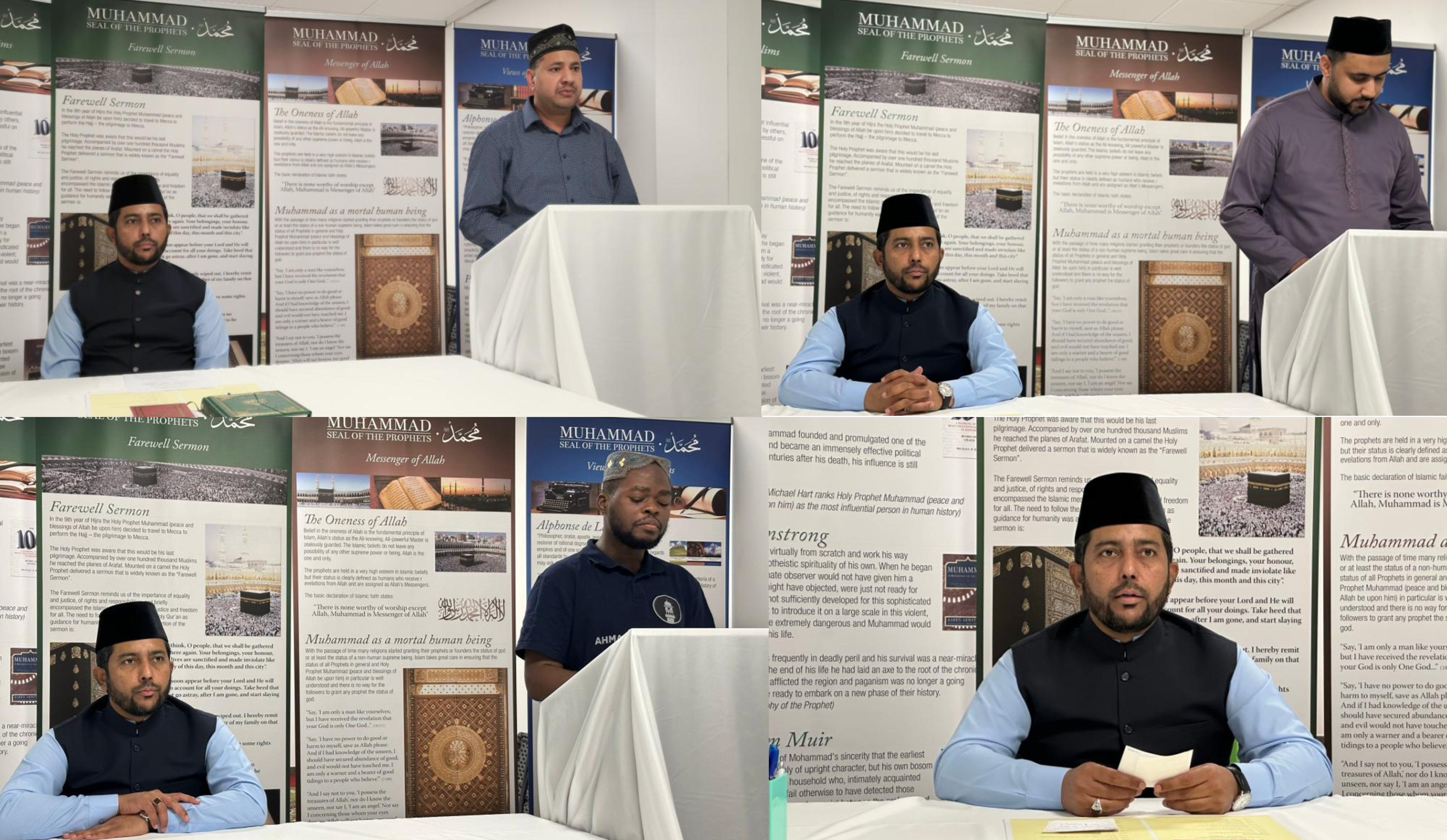
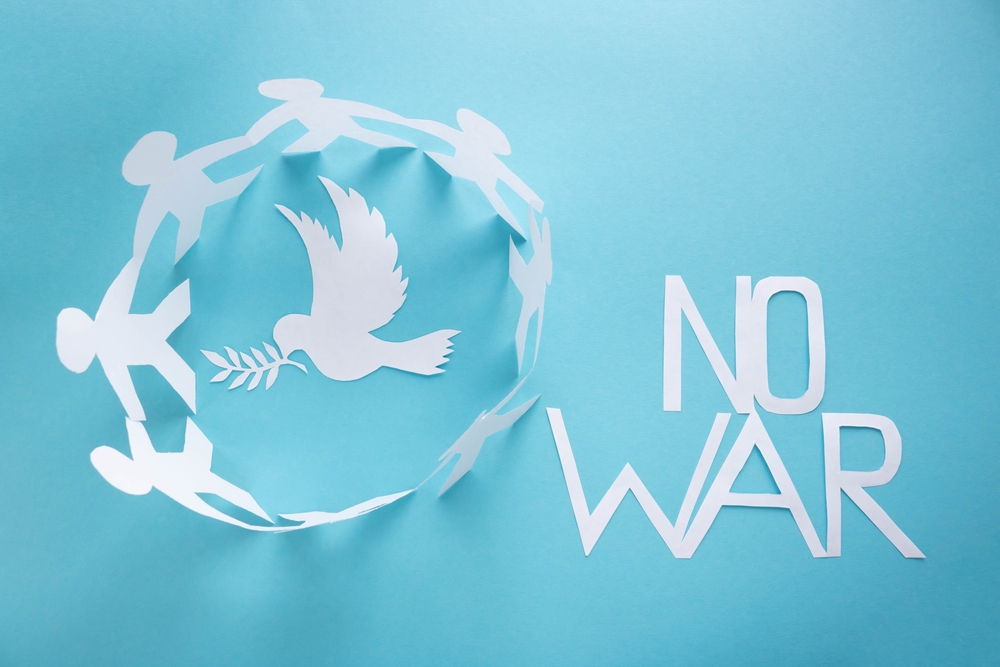 Photo: lubov62 | Shutterestock



 Ir-riċetta għal ħajja twila

 Source/Credit:


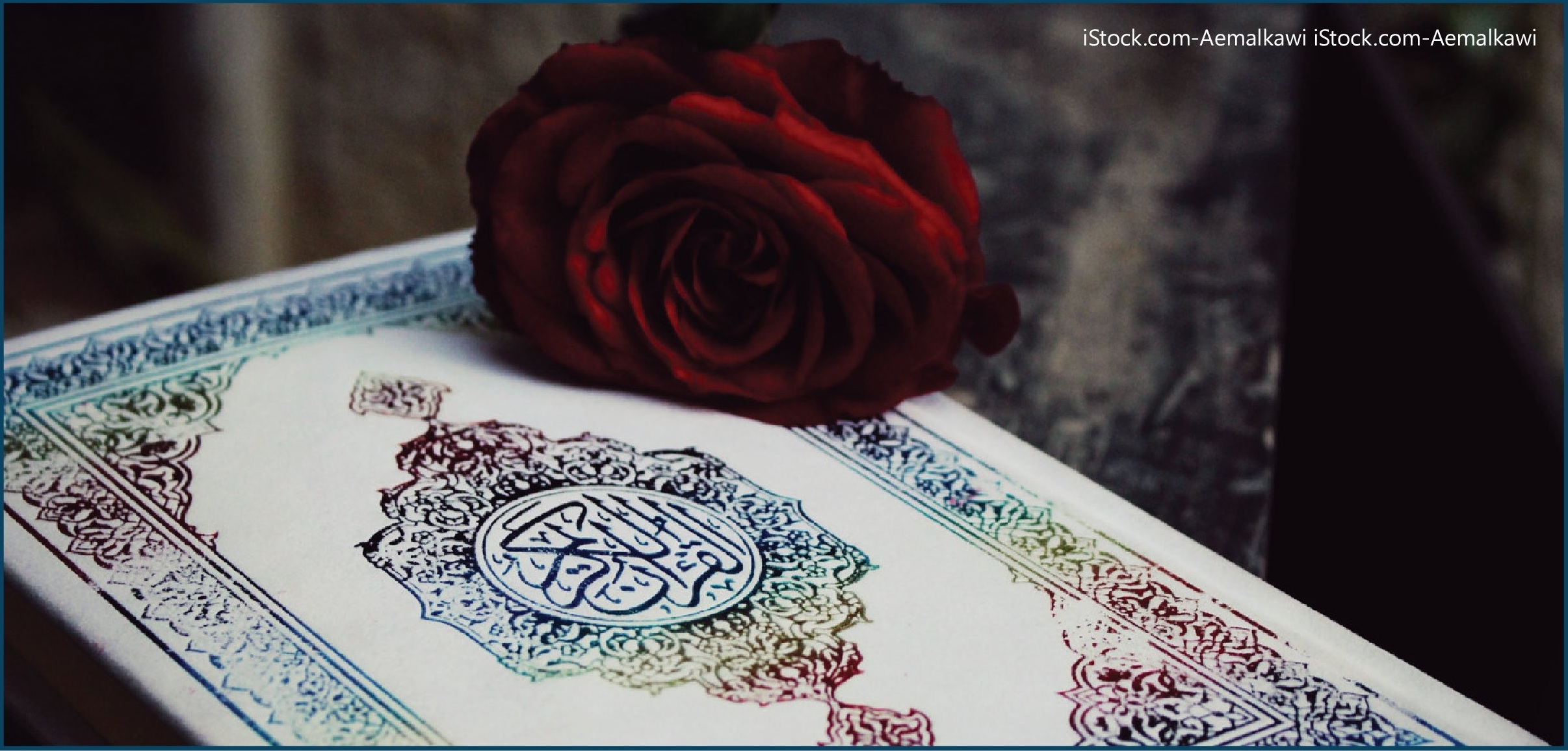
 IS-SAJF U L-ĠENITURI
 Sidi, ħenn il-ġenituri tiegħi bħalma rabbewni
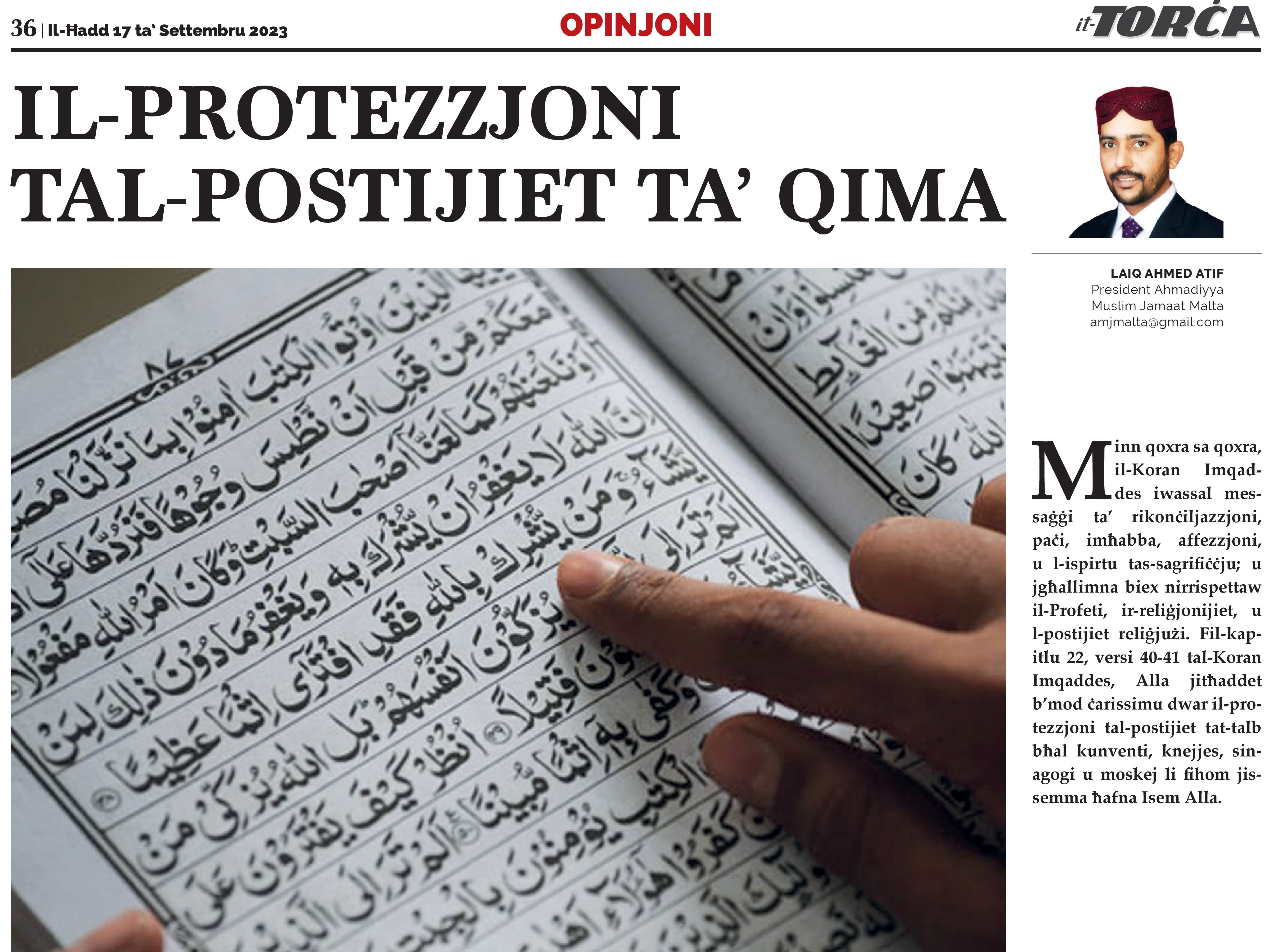 IL-PROTEZZJONI TAL-POSTIJIET TA’ QIMA
 Knejjes, Sinagogi u Moskej
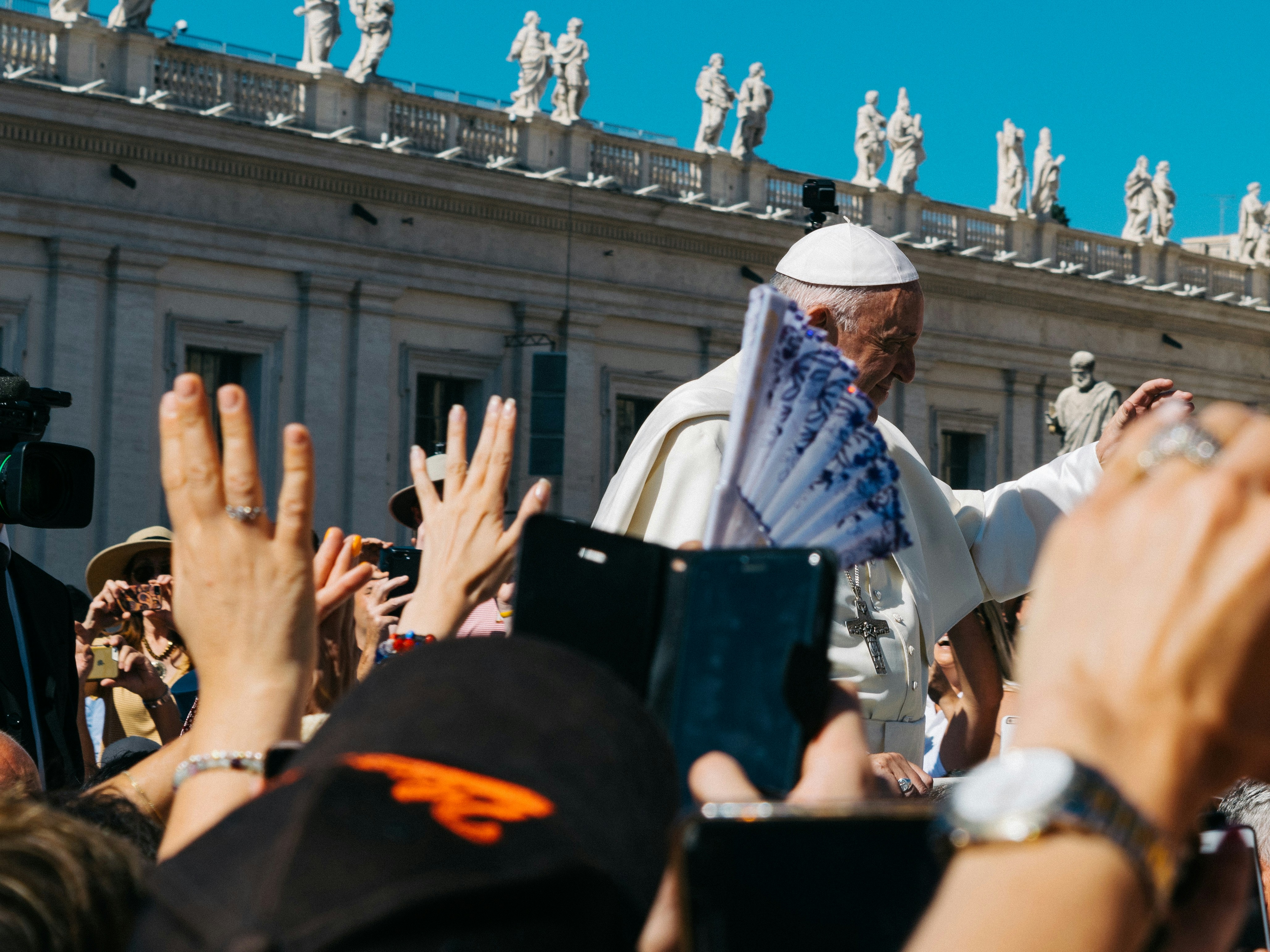 Photo: Kai Pilger | Unsplash
 Imam Laiq Ahmed Atif | In-Nazzjon 05.08.2023 | amjmalta@gmail.com


 Ahmadiyya Muslim Jamaat Malta